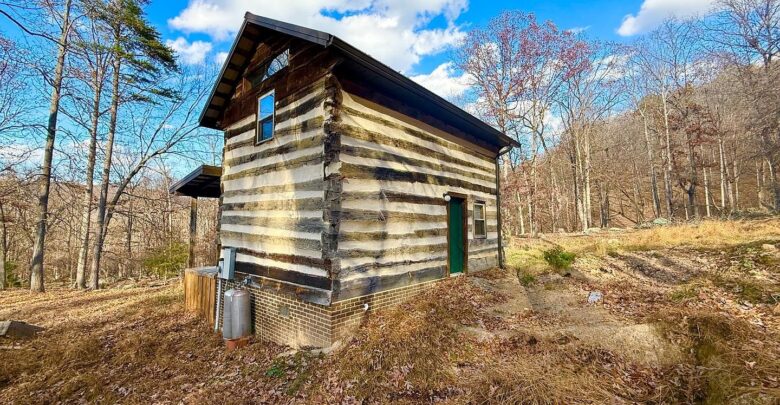
At the end of a quarter mile private driveway in the mountains of West Virginia, there is a little log cabin that has been standing since around 1820. It sits alone on 22 unrestricted acres of woods and clearings, with no neighbors in sight. In just ten days on Zillow, the listing pulled in thousands of views and hundreds of saves, as people across the country fell for the idea of a two hundred year old cabin hidden in the Appalachian hills.
It is not a polished vacation home. The listing is honest that the interior still needs work. But that is part of the appeal. This is a chance to take a genuine piece of early American history and make it your own.
A Log Cabin From Around 1820
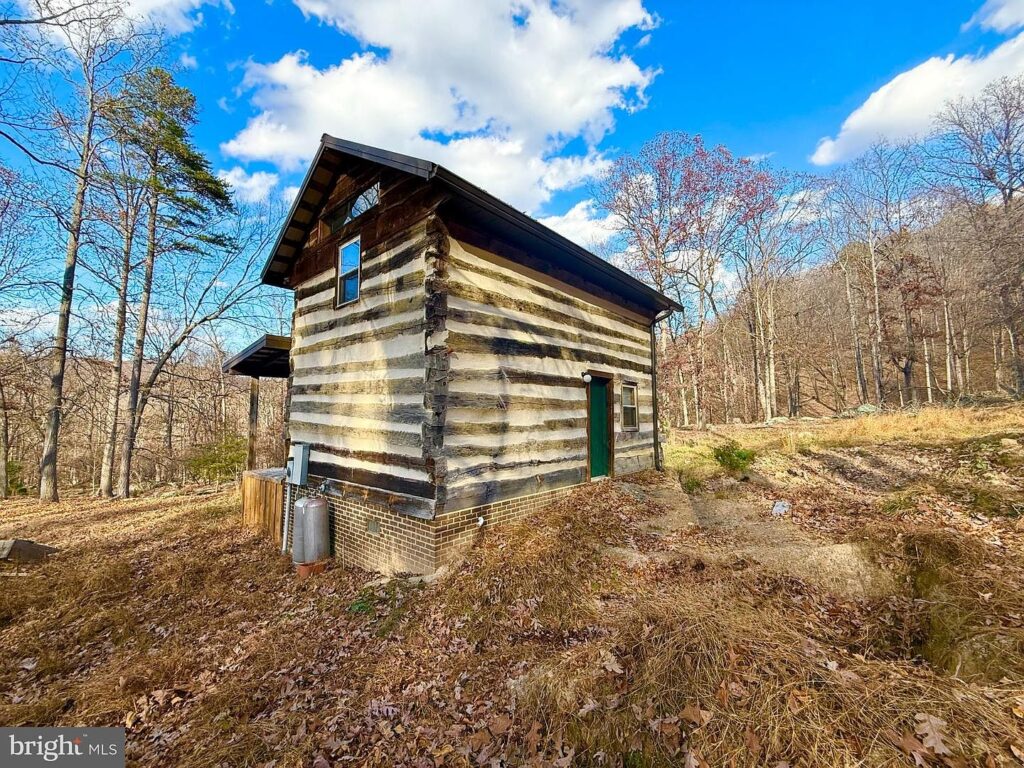
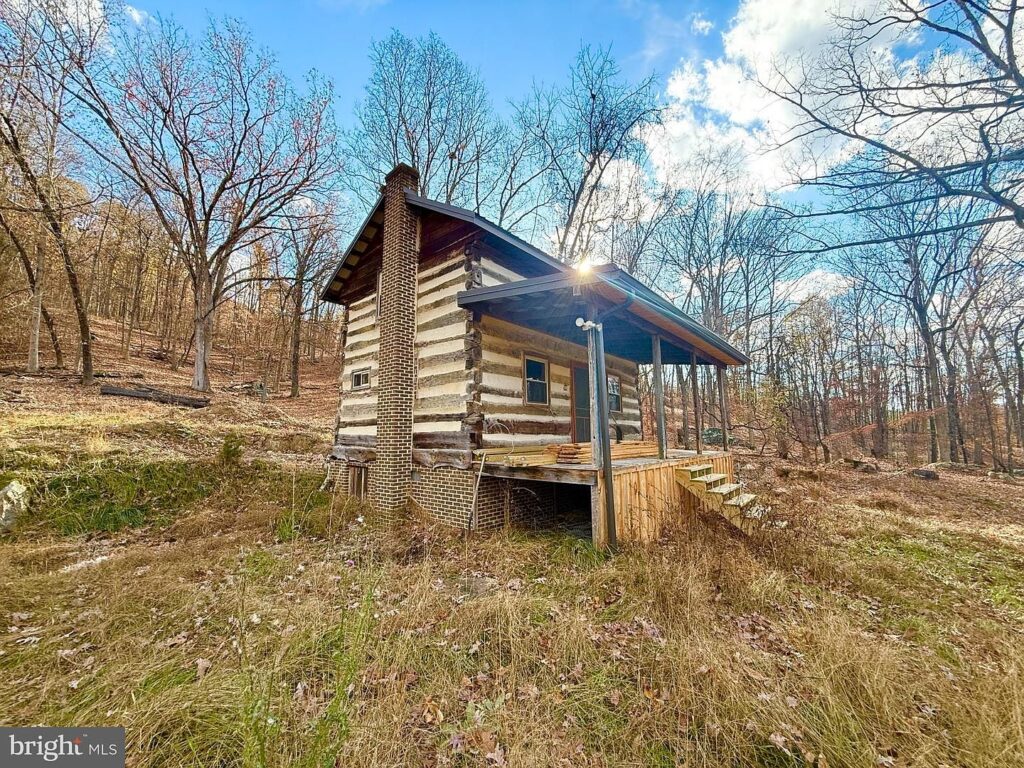
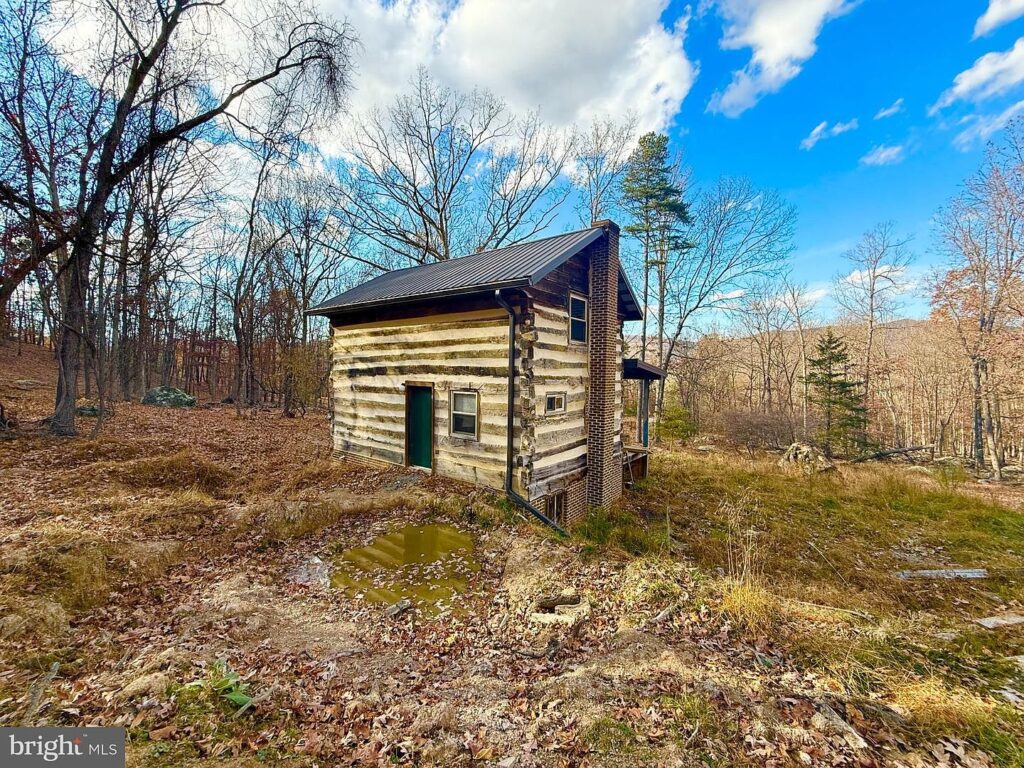
The cabin’s walls are made of thick hand hewn logs with wide bands of pale chinking between them, creating the striped pattern that is so typical of early Appalachian log homes. Builders in the early nineteenth century would have cut these logs from the surrounding forest, shaped them with axes and fitted them together at the corners with carefully cut notches.
In 1820, West Virginia was still part of Virginia, and the mountains of what is now Pendleton County were frontier country. Families lived by farming small clearings, raising livestock and hunting in the woods. Cabins like this one were the heart of those homesteads, built to last through harsh winters with little more than local timber, stone and hard work. That this cabin is still standing two centuries later is remarkable.
Thoughtful Updates Already Done
The current owners have already taken care of some of the most important and expensive projects. According to the listing, the cabin has a new foundation, updated electrical, public water, a new metal roof, a new front porch and a new driveway. The brick foundation visible in the photos gives the old logs a solid base, while the dark metal roof will protect the structure for many years to come.
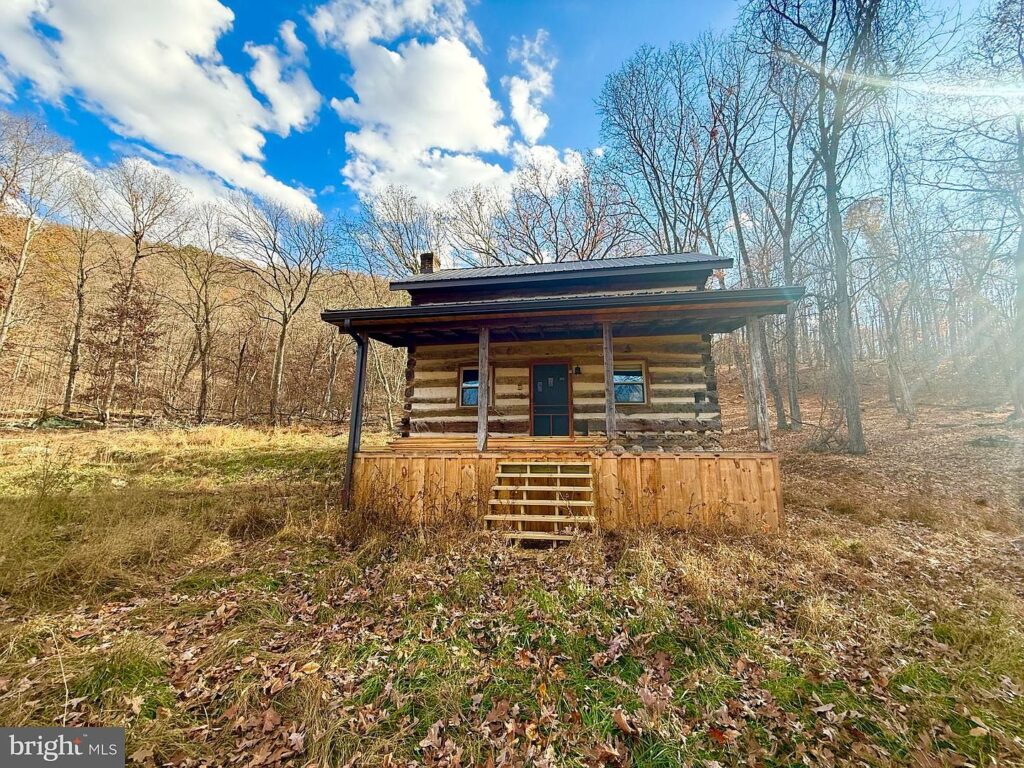
The new front porch is especially charming. It runs across the front of the cabin, built from fresh wood with sturdy posts and a set of wide steps leading up to the door. It is the perfect place to sit with a cup of coffee in the morning and listen to the birds in the trees.
Inside the Cabin
The cabin offers about 792 square feet of living space with one bedroom and one bathroom. Listing details from the area mention wood floors, exposed beams, log walls and a woodstove, classic features that give a small cabin enormous character. The listing also makes clear that the interior needs work, which means a buyer will have the opportunity to finish the space in their own style.
That could mean a simple rustic retreat with a wood stove and handmade furniture, or a more updated interior with a modern kitchen and bath that still shows off the original logs. Either way, the bones of the building and the recent structural updates give a new owner a strong starting point.
22 Unrestricted Acres of Privacy
The land is a huge part of the story. The property covers 22 unrestricted acres, which means fewer limits on how the land can be used compared with properties in many planned communities. The photos show a mix of hardwood forest and open, sloping clearings covered in autumn leaves, with the cabin tucked against the trees under a bright blue sky.
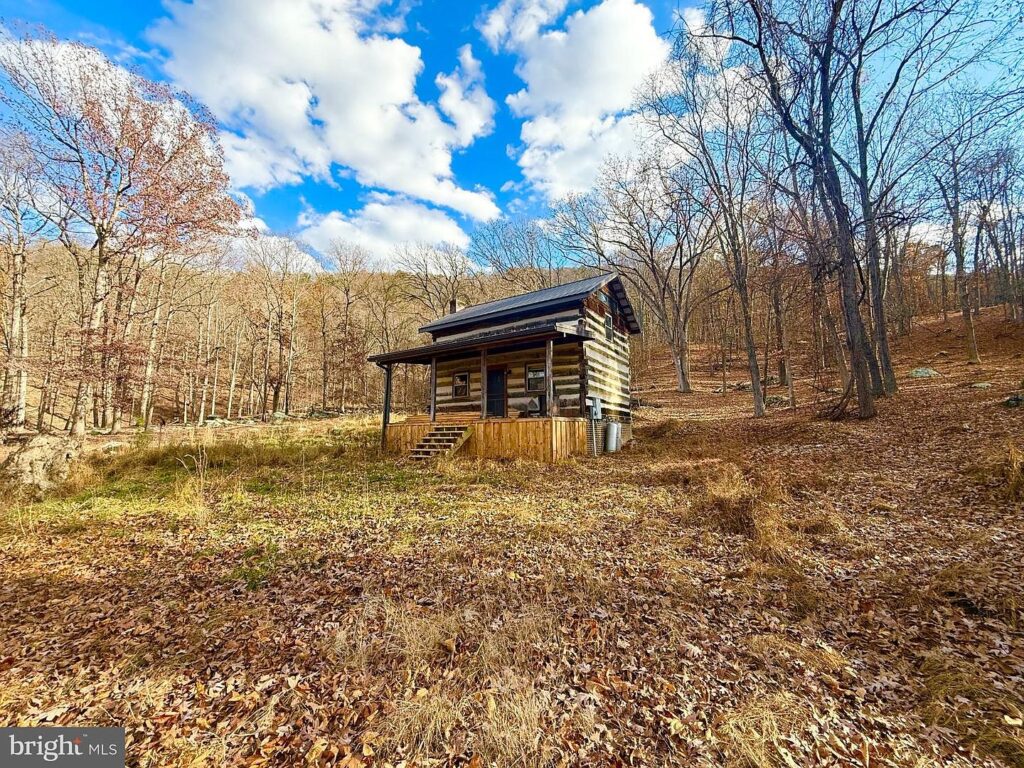
The listing highlights the privacy of the setting. A quarter mile private driveway separates the cabin from the road, and there are no neighbors in sight. For people who are tired of crowded suburbs and noisy streets, that kind of solitude can feel like a luxury.
Hunting, Hiking and Lake Life Nearby
The wooded acreage is well suited to hunting, according to the listing, and the forests of this region are home to deer, turkey and other wildlife. The property is also close to South Mill Creek Lake, a 48 acre lake that is popular with anglers and paddlers.
Upper Tract sits in Pendleton County, one of the most scenic corners of West Virginia. The area is known for Seneca Rocks, the dramatic rock formation that draws climbers from across the country, and Spruce Knob, the highest point in the state. The surrounding Monongahela National Forest offers hundreds of miles of trails, trout streams and campgrounds. For anyone who loves the outdoors, this is a remarkable place to have a home base.
How Early Log Cabins Were Built
Log cabins became the classic frontier home in the Appalachian mountains because they made the most of what the land provided. Settlers felled trees on their own property, often oak, chestnut or poplar, and hewed them square with broad axes so the logs would sit tightly against one another. The corners were joined with notches, such as the dovetail or V notch, which locked the walls together without nails.
The gaps between the logs were filled with chinking, a mix of materials like stone, wood scraps, clay, lime and sand. That chinking is what creates the pale stripes between the dark logs on this cabin, and it had to be maintained regularly to keep out wind and rain. A large stone chimney usually stood at one end of the cabin, providing heat for warmth and cooking.
Most early cabins started as a single room with a loft above. As families grew and prospered, they often added rooms, porches or even second stories, and many cabins were eventually covered with siding to look more modern. Some of those hidden cabins are only rediscovered today when old houses are renovated or torn down. Finding one that is still recognizable as a log home, standing on its own land, is a special thing.
Ideas for the Next Owner
Because the land is unrestricted, a buyer has plenty of flexibility in how to use the property, subject to county rules. Some might restore the cabin as a cozy full time home. Others could keep it as a weekend getaway and hunting camp, spending autumn mornings in the woods and evenings by the woodstove.
The 22 acres could also support gardens, a small orchard, chickens or other homestead projects. Trails could be cut through the woods for hiking or riding, and a clearing with a view might become the perfect spot for a fire pit and outdoor gatherings with friends and family.
For those who enjoy hands on projects, finishing the interior could be a rewarding experience. Exposing and cleaning the original logs, refinishing wood floors and adding simple, practical furnishings can turn a rough interior into a warm and welcoming space that honors two hundred years of history.
With the hard structural work already done, the next chapter of this cabin’s story is waiting for someone with the vision to write it.
Why This Cabin Went Viral
There are a few reasons this listing has caught so much attention. First, it is genuinely old. Cabins from the early 1800s are rare, and many that survive have been heavily altered or are falling apart. Second, the setting is exactly what so many people dream about: a small cabin, lots of land and complete privacy. Third, the price is within reach for many buyers, especially compared with what a similar amount of land might cost in other parts of the country.
Social media users have shared the photos with comments about dream homesteads, weekend getaways and plans to escape city life. For many, this little cabin represents the simple life they wish they could have.
Things to Consider
Buying a historic cabin that needs interior work is a big project, and buyers should go in with clear eyes. It is wise to get a thorough inspection, budget for renovations and talk with local contractors who understand log construction. Questions about heating, septic, internet access and road maintenance in winter are also important for anyone planning to spend a lot of time on the property.
The good news is that many of the major structural updates have already been completed, which can save a buyer significant time and money compared with starting from scratch.
More Cabins You May Enjoy
If you love West Virginia properties, take a look at this cabin on 45 acres with waterfalls in Hinton. For another historic log home, see the 1907 log cabin on almost 33 acres near Nevada City, California. And for a classic mountain retreat, explore this original Steiner log cabin near Mount Hood.
Quick Facts
- Address: Inspiration Road, Upper Tract, West Virginia 26866
- Year built: around 1820
- Bedrooms: 1
- Bathrooms: 1
- Interior size: about 792 square feet
- Land: 22 unrestricted acres
- Updates: new foundation, updated electrical, public water, new metal roof, new front porch, new driveway
- Highlights: quarter mile private driveway, no visible neighbors, hunting land, near South Mill Creek Lake
- Listed by: Jeremy S. Harper, Seneca Rocks Realty
See the full listing with all photos on Zillow: Inspiration Rd, Upper Tract, WV 26866
Our website is designed for informational and entertainment purposes only. The information on this site is not intended to be a substitute for professional advice. We make every effort to ensure the accuracy of information on our website. However, we cannot guarantee that all information is up-to-date or complete. Please use our content at your own discretion.