Grand Tudor Home Near Thompson Park
A historic brick and stucco Tudor in East Liverpool, Ohio, with a grand staircase, fireplace, and original craftsmanship, ready for restoration.
Some houses are built to be lived in. Others are built to make a statement.
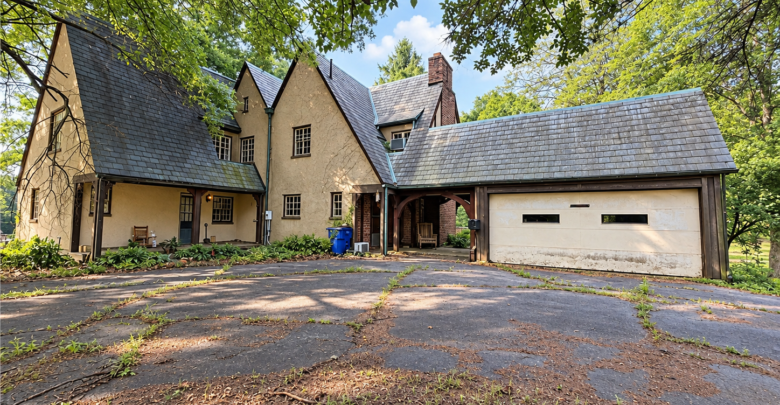
This grand Tudor in East Liverpool, Ohio, belongs firmly in the second group. Brick and stucco on the outside, hardwood and original woodwork on the inside, and a staircase that stops visitors in their tracks.
The home needs renovation. That is the honest part of the story. But the bones, the character, and the setting near Thompson Park make it one of the more compelling restoration opportunities in the upper Ohio Valley.
Here is a closer look at the house, what the work might involve, and what a buyer should check before making an offer.
Property Overview
- Location: East Liverpool, Ohio, near Thompson Park
- Style: Tudor
- Exterior: Brick and stucco
- Interior highlights: Hardwood floors, original details, grand staircase
- Living room: Fireplace with built-in cabinets
- Dining: Formal dining room
- Bedrooms: Generously sized, with additional flexible rooms
- Condition: In need of renovation
- Best suited for: Restoration buyers and investors
The Tudor Style
Tudor homes are inspired by English country architecture. They became popular across American cities and towns in the early twentieth century, especially in the 1920s and 1930s.
The style is easy to recognize. Steep rooflines, prominent gables, mixed brick and stucco, and a solid, storybook presence that feels both elegant and warm.
Well-built Tudors were often made for families with means. They tend to feature heavy craftsmanship, quality materials, and interior details that are expensive to reproduce today.
The Brick and Stucco Exterior
The exterior combines classic brick with stucco, giving the home an elegant first impression from the street.
Brick is durable and long-lasting when the mortar is maintained. Stucco adds texture and contrast, a signature feature of the Tudor look.
Both materials need careful inspection on an older home. Look for loose or missing mortar, cracks in the stucco, and any signs of water getting behind the surface. Repointing brick and patching stucco are common restoration projects, and both should be done with materials that match the originals.
The Grand Staircase
The listing calls out the grand staircase as one of the home’s most beautiful original features.
Staircases like this were the centerpiece of homes from this era. They were built to impress guests at the front door and to show off the skill of the builders.
Original balusters, handrails, and newel posts are often irreplaceable. A buyer should handle this staircase as a priority during restoration, protecting it from damage while other work happens.
Check for loose spindles, worn treads, and any structural movement. Most issues can be repaired by a skilled carpenter.
Hardwood Floors
Hardwood floors run through the home.
Original hardwood in an older house is often thicker and higher quality than what is sold today. Even when floors look tired, they can usually be sanded and refinished to look beautiful again.
Look for water stains, soft spots, or missing boards. Damage near windows, bathrooms, and exterior doors can point to past leaks.
Original Details and Craftsmanship
The home retains original details and beautiful craftsmanship throughout.
This is the part of an old house that buyers cannot easily buy back once it is gone. Trim, doors, hardware, moldings, and built-ins give a home its identity.
A good restoration keeps as much of this as possible. Strip what needs stripping, repair what can be repaired, and only replace when there is no other choice.
The Living Room
The spacious living room features a fireplace and built-in cabinets.
Fireplaces in homes of this age often need work before they can be used safely. Have a chimney professional inspect the flue, liner, firebox, and chimney cap.
The built-in cabinets add charm and storage. They are worth preserving, even if they need refinishing or new hardware.
The Formal Dining Room
A formal dining room offers a classic setting for family meals and holiday gatherings.
Many modern homes have dropped the formal dining room. In a historic Tudor, it fits naturally and adds to the home’s sense of occasion.
It can also be adapted. Some restoration buyers turn formal dining rooms into libraries or music rooms, while others keep them exactly as intended.
The Bedrooms
The bedrooms are described as generously sized, offering comfort and privacy.
Large bedrooms are a common strength of older homes built for families. They leave room for furniture, reading chairs, and desks without feeling crowded.
One thing to check is closet space. Older homes often have small closets by modern standards, and adding storage can be part of the renovation plan.
Flexible Bonus Rooms
Additional rooms could serve as a home office, a guest room, or a creative space.
Flexible rooms are increasingly valuable. Remote work, hobbies, and visiting family all benefit from a spare room or two.
Depending on layout, one of these spaces might also make room for an added bathroom or a larger primary suite during renovation.
The Kitchen
The listing does not describe the kitchen in detail.
In a home that needs renovation, buyers should expect the kitchen to be one of the larger projects. Plan for new cabinets, counters, appliances, and possibly updated plumbing and electrical in the space.
The good news is that a kitchen remodel lets a new owner design the space exactly the way they want while keeping the historic character elsewhere.
The Bathrooms
The bathroom count and condition are not described.
Original tile in older homes can be beautiful and worth saving. But bathrooms are also where hidden water damage often lives. Look under sinks, around tubs, and in the ceilings below for stains or soft spots.
The Setting Near Thompson Park
The home sits near Thompson Park, one of East Liverpool’s most beloved green spaces.
Living close to a large park means walking trails, open space, and room for recreation just minutes from the front door. It also tends to support property values over time, since parks rarely get developed.
For families, dog owners, and anyone who enjoys a quiet walk, this location is a real advantage.
About East Liverpool
East Liverpool sits on the Ohio River in Columbiana County, where Ohio meets Pennsylvania and West Virginia.
The city was once known as the pottery capital of the world, and its ceramic industry built much of the grand housing that still stands in its older neighborhoods. The Museum of Ceramics downtown tells that story.
Today, East Liverpool offers some of the most affordable historic housing in the region. Pittsburgh is roughly an hour away, which makes the area interesting for buyers who want big, characterful homes at prices far below what they would cost in a major metro.
What Renovation Might Involve
The listing is clear that the home needs work. Every restoration is different, but buyers should plan to look closely at these areas:
- Roof condition, flashing, and gutters
- Electrical system, including any older wiring
- Plumbing supply and drain lines
- Heating system, which may be a boiler with radiators in a home of this age
- Insulation and window condition
- Plaster walls and ceilings
- Foundation and basement moisture
- Brick mortar and stucco repairs
- Kitchen and bathroom updates
Get contractor estimates before closing whenever possible. Restoration budgets can grow quickly once walls are opened.
Lead Paint and Older Materials
Homes built before 1978 may contain lead-based paint.
Older homes can also contain asbestos in pipe insulation, flooring, or other materials. These are not reasons to walk away, but they do need to be handled correctly during renovation, especially if children will live in the home.
Hire contractors who are certified for lead-safe work practices and test suspect materials before disturbing them.
Living Here as an Owner-Occupant
For a buyer who loves old houses, this could be a dream project.
Living in the home while restoring it room by room is common with historic properties. It lets owners spread the cost over time and make decisions as they learn how the house works.
The result could be a grand, one-of-a-kind home near a beautiful park at a total cost far below what similar houses command in bigger cities.
Investor Potential
Investors may see several paths here.
A full restoration could produce a standout resale property in a market where truly grand homes are limited. A large layout could also work as a long-term rental for families who want space.
Before pursuing any plan that involves dividing the house or renting rooms, check local zoning rules and permit requirements in East Liverpool.
Run the numbers carefully. Purchase price, renovation costs, holding costs, and realistic resale values in the area all matter.
Financing Options
Homes that need significant work can be harder to finance with standard loans, because lenders may require the property to meet certain condition standards.
The FHA 203k loan was designed for this situation. It allows a buyer to roll the purchase price and renovation costs into one mortgage, with as little as 3.5 percent down for qualified owner-occupants.
Fannie Mae HomeStyle and Freddie Mac CHOICERenovation loans offer similar renovation financing through conventional lending.
VA renovation loans may be available to eligible veterans, though fewer lenders offer them.
USDA loans cover many smaller towns and rural areas in Ohio. Eligibility depends on location and household income, and the home will still need to meet condition standards, so check with a lender.
Investors often use cash, hard money, or portfolio loans for homes that need major work, then refinance after the renovation is complete.
Insurance
Insuring a home that needs renovation can be more complicated than insuring a move-in ready house.
Some insurers hesitate to cover older homes with outdated wiring, old roofs, or vacant status. During renovation, a builder’s risk or vacant property policy may be required.
Get quotes early. Tell the insurer about the planned work, the age of systems, and whether anyone will live in the home during construction.
Questions to Ask Before Buying
- When was the house built, and what records exist about past work?
- How old is the roof, and are there any active leaks?
- What type of wiring does the home have, and has it been updated?
- What type of heating system is in place, and does it work?
- Are there any known foundation or basement water issues?
- Has the home been tested for lead paint or asbestos?
- How many bathrooms are there, and what condition are they in?
- Are there any open code violations or permit issues with the city?
- What are the annual property taxes?
- Has the home been vacant, and for how long?
- Are utilities currently connected?
- Does the house fall within any historic district with design rules?
Inspection Is Essential
For a home that needs renovation, a thorough inspection is not optional.
Start with a general home inspection. Then consider specialists for the roof, chimney, electrical system, plumbing, and foundation if the general inspector flags concerns.
A sewer line camera inspection is also wise for older homes, since clay or cast iron lines can crack or collapse over time.
Use the inspection results to build a realistic budget and to negotiate the price if needed.
Restoration Ideas
- Refinish the original hardwood floors throughout
- Restore the grand staircase as the home’s centerpiece
- Rebuild the fireplace for safe use
- Repair and refinish the built-in cabinets
- Create a modern kitchen that respects the home’s style
- Update bathrooms with period-inspired tile and fixtures
- Repoint the brick and repair the stucco
- Restore exterior trim with historically appropriate colors
- Turn a bonus room into a library or home office
- Landscape the yard with classic English garden touches
Who This Home Is For
This house is for someone who sees potential where others see a project.
It suits restoration enthusiasts who enjoy bringing old homes back to life. It suits investors comfortable with renovation risk. And it suits families who want a grand home with space and history and are willing to put in time to get there.
It is not for buyers who need a move-in ready home right away.
Final Thoughts
This grand Tudor in East Liverpool has much of what makes historic homes special.
A brick and stucco exterior with real presence. Hardwood floors and original craftsmanship. A fireplace with built-ins, a formal dining room, generous bedrooms, flexible bonus rooms, and a grand staircase that defines the whole house.
It needs work, and buyers should go in with clear eyes, solid inspections, and a realistic budget. But for the right person, the payoff could be an extraordinary home near one of the city’s most beautiful parks.


Watch Via Zillow
View the full listing on Zillow: Grand Tudor Home in East Liverpool, OH
Our website is designed for informational and entertainment purposes only. We are not a real estate brokerage or licensed contracting service. We operate solely as an independent blog, curating interesting houses, DIY guides, and practical home tips found across the internet. All decisions related to real estate transactions or home renovations should be made in consultation with licensed professionals. We do not guarantee the ongoing accuracy or availability of external property listings, as market statuses change rapidly. Please use our content at your own discretion.