Do you remember spending warm summer afternoons in your grandmother’s garden? However, nothing ruins a peaceful porch morning faster than a slithering surprise. Many homeowners actively search for natural snake repellent scents to keep slithering pests away. Fortunately, you do not need harsh chemicals to protect your outdoor space naturally.
For instance, I love relaxing on my garden bench with a cold iced tea. However, seeing a snake near my flower beds once sent me running inside. Consequently, I spent months researching authentic botanical methods that actually deter snakes. Specifically, this guide breaks down real science versus common backyard myths.
Understanding How Snakes Sense Natural Snake Repellent Scents
First, we must understand how snakes actually perceive their surrounding world. Snakes do not inhale odors through nostrils like dogs or humans do. Instead, they flick their tongues to collect tiny scent particles from the air. Then, they press their tongue against the Jacobson organ in their mouth.
Consequently, this organ acts as a powerful chemical receptor for the reptile. This means certain strong aromas overwhelm their senses very quickly. However, not every pungent household smell will bother a snake. Therefore, we must focus only on scents proven by botanical research.
For example, research shows that specific essential oils irritate their sensory receptors. When a snake encounters these oils, it chooses to retreat elsewhere. In fact, these scents create a temporary barrier snakes prefer to avoid. Thus, choosing the right plant extracts makes all the difference in your yard.

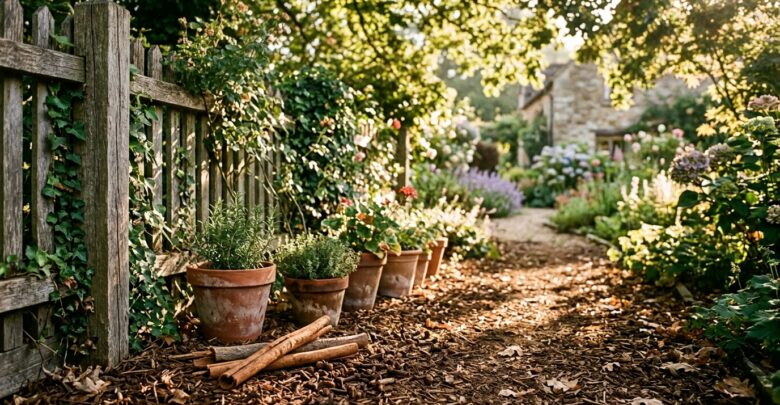
Blending natural cinnamon and clove oils creates a warm aroma that keeps unwanted garden visitors away.
Science-Backed Scents That Keep Snakes Away
Fortunately, researchers have tested several plant oils in controlled laboratory environments. Specifically, cinnamon oil and clove oil show strong repellency against various snake species. These natural oils contain active compounds called eugenol and cinnamaldehyde. As a result, these compounds create a powerful sensory irritation for the snake.
For instance, cinnamon essential oil works wonders around garden borders and sheds. In addition, clove essential oil produces a very similar protective effect outdoors. When combined with water, these oils form a potent homemade barrier spray. However, sunlight and rain naturally break down these organic compounds over time.
Therefore, you should reapply your natural spray every two weeks during summer. Additionally, reapply the mixture right after heavy rain showers occur. I love spraying this mixture around my back porch and patio steps. Indeed, the warm spicy fragrance smells wonderful to humans while repelling pests.

Clearing heavy woodpiles away from your home foundation removes primary hiding spots.
Debunking Common Backyard Myths and Legends
However, many viral DIY remedies simply do not work in real life. For example, many people swear by scattering mothballs around their property borders. In reality, mothballs contain naphthalene, which is dangerous for pets and children. Furthermore, research shows mothballs do almost nothing to scare away snakes.
Similarly, sulfur powder remains a famous historical remedy across rural communities. Yet, scientific studies show sulfur powders fail to stop slithering visitors consistently. Additionally, inhaling raw sulfur powder can irritate human lungs and eyes severely. Therefore, you should avoid using messy sulfur powders on your lawn.
Besides sulfur, people often recommend planting garlic, onions, or peppermint plants. While garlic smells strong, no scientific evidence proves snakes mind the odor. Similarly, vinegar and ammonia create harsh fumes that harm your prized garden soil. Instead, stick to proven botanical extracts that protect your garden safely.

Keeping grass short and creating tidy gravel borders makes your yard far less inviting to pests.
Practical Yard Management Strategies for Total Control
In addition to using sprays, proper habitat management remains essential for success. Snakes love hiding under tall grass, loose rocks, and dense brush piles. Therefore, keeping your grass neatly trimmed removes their primary shelter spots. Similarly, store firewood logs elevated at least six inches off the ground.
Furthermore, eliminating food sources naturally keeps snakes far away from your home. Snakes enter yards primarily to hunt mice, frogs, and small insects. Consequently, controlling rodent activity removes the main reason snakes visit your yard. Keep birdseed stored in sealed metal containers to prevent attracting small rodents.
Specifically, inspect your foundation walls and deck supports every spring carefully. Seal any visible cracks or gaps using expanding foam or heavy wire mesh. As a result, slithering pests cannot sneak underneath your home or porch structure. Indeed, physical barriers work hand in hand with natural botanical sprays.
How to Make Your Own Cinnamon Clove Barrier Spray
Fortunately, making your own natural repellent spray requires only a few minutes. First, gather clean water, witch hazel, cinnamon oil, and clove essential oil. Next, fill a large spray bottle with four cups of fresh tap water. Then, add two tablespoons of witch hazel to help mix the natural oils.
Additionally, add twenty drops of pure cinnamon essential oil to the bottle. Next, add twenty drops of pure clove essential oil to the liquid. Shake the bottle vigorously before every single application around your property line. Finally, spray this fragrant mixture along walkways, fences, and shed perimeters generously.
However, test the spray on a small plant leaves area first carefully. In fact, concentrated essential oils can sometimes scorch delicate flower foliage outdoors. Instead, target non-living surfaces like stone walls, timber borders, and gravel paths. This keeps your ornamental plants safe while creating a strong natural aroma wall.

Combining smart yard maintenance with natural barriers creates a serene and worry-free outdoor space.
Creating a Pest-Resistant Garden Border Naturally
Moreover, thoughtful garden design adds an extra layer of outdoor protection. For example, planting marigolds adds bright color while deterring garden pests naturally. In addition, lemongrass and citronella plants emit fresh citrus scents all summer long. While plants alone will not stop snakes, they enhance your overall garden defense.
Furthermore, lay down coarse gravel or sharp river rocks around bed edges. Snakes dislike crawling over rough, abrasive textures whenever smooth dirt exists nearby. Consequently, stone borders act as a minor physical deterrent along property lines. Combine gravel edging with regular oil spraying for maximum outdoor garden protection.
Frequently Asked Questions About Natural Snake Deterrents
Many garden lovers ask if essential oils harm visiting pets or dogs. Generally, diluted cinnamon and clove oils are safe when applied outdoors properly. However, keep curious pets inside until the liquid spray dries completely outdoors. Therefore, always store pure essential oil bottles safely out of pet reach.
Another common question asks how long homemade repellent sprays last outdoors. Typically, natural essential oil sprays remain effective for about two weeks straight. However, heavy summer rainstorms will wash away aromatic plant compounds much faster. Thus, reapply your homemade spray after any thunderstorm or heavy lawn watering.
People also ask if coffee grounds keep slithering pests out of gardens. In reality, coffee grounds do not repel snakes in any measurable way. Instead, coffee grounds work best as rich organic compost for growing vegetables. Rely on proven clove and cinnamon oils rather than leftover kitchen food scraps.
Conclusion: Protecting Your Yard with Natural Snake Repellent Scents
Overall, enjoying a safe, peaceful backyard does not require harsh chemical repellents. By using proven natural snake repellent scents like cinnamon and clove, you protect your yard. Furthermore, combining sensory oils with neat yard trimming yields wonderful, long-lasting results. Consequently, you can step outside with confidence and enjoy every warm summer afternoon.