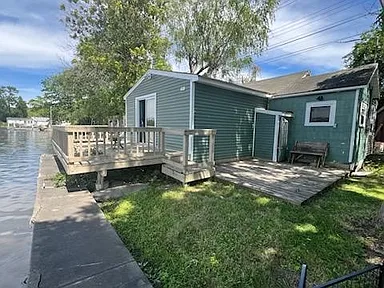
There is a particular kind of quiet that only exists along a canal. Not the open roar of a lake or the constant motion of a river, but something slower and older. This seasonal waterfront cottage sits directly on the historic Erie Canal near Newark, New York, and it offers exactly that: calm water views, fresh open air, and a way of living that most people only encounter on vacation.
Life on the Historic Erie Canal
The Erie Canal is one of the most significant engineering achievements in American history. Completed in 1825, it connected the Hudson River to the Great Lakes and transformed New York into the commercial gateway of a growing nation. Two centuries later, the working freight traffic is gone and what remains is a protected recreational waterway winding through some of the most scenic countryside in the Northeast.
Owning property directly on that waterway means access to a corridor that stretches hundreds of miles. Boaters can travel east toward the Hudson or west toward Lake Erie, passing through historic lock systems and canal towns that have preserved their nineteenth century character. Very few waterfront markets in the United States offer that combination of history, navigability and affordability.
The Cottage and Its Outdoor Living Space
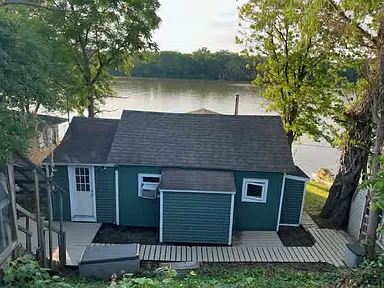
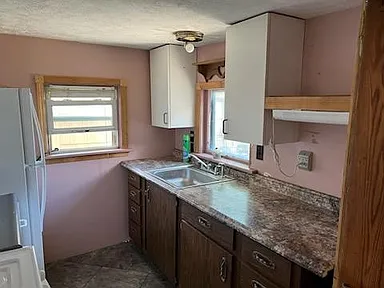
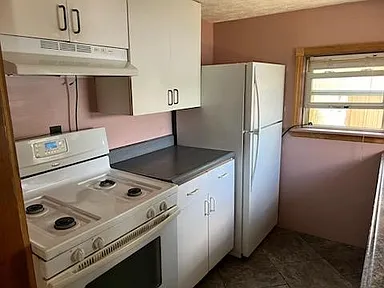
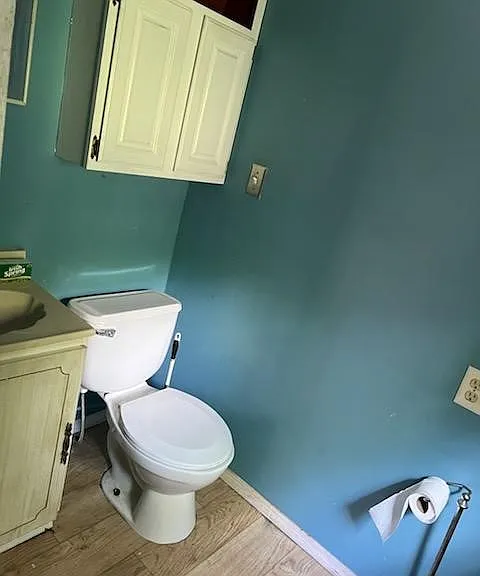
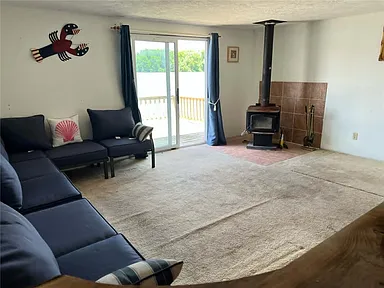
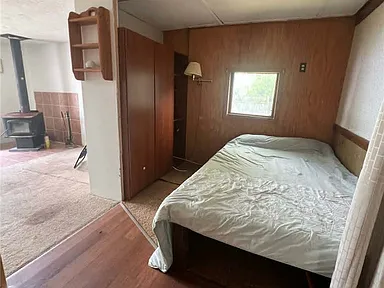
This is a seasonal cottage, and the description matters because seasonal properties are built and used differently from year-round homes. The cozy interior creates an inviting setting suited to weekend getaways, summer stays, remote work or a private creative retreat. The layout is manageable rather than sprawling, which is precisely the appeal for buyers who want waterfront access without the maintenance burden of a large house.
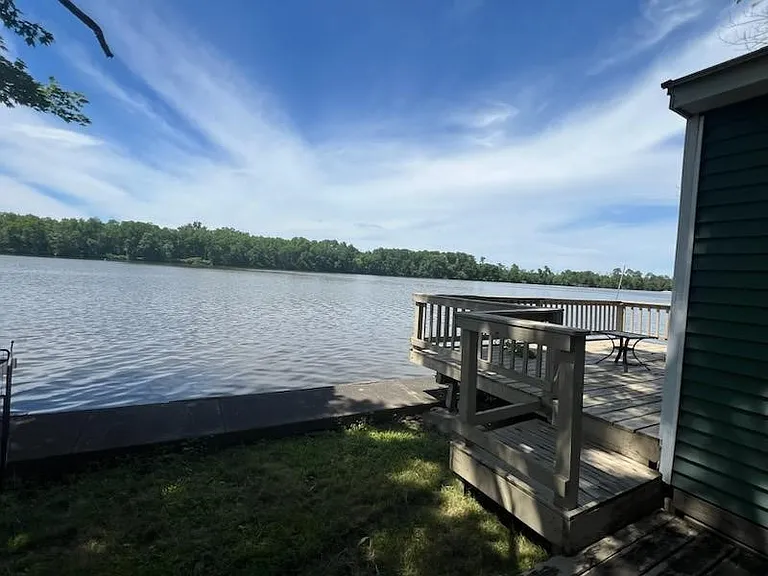
The spacious outdoor deck is arguably the most important room on the property. On a waterfront cottage, the deck is where the day actually happens: morning coffee looking out at the water, family gatherings in the afternoon, sunsets over the canal in the evening. Properties like this are purchased for the deck as much as for the interior square footage.
A storage shed adds practical outdoor storage for kayaks, paddles, life jackets, garden equipment and seasonal furniture, which on a compact property is genuinely valuable rather than incidental.
Direct Canal Access and the Boat Dock Opportunity
Direct canal access is the feature that defines the property. It opens the door to boating, kayaking, fishing and unhurried days exploring the surrounding waterways without trailering, launch fees or waiting in line at a public ramp.
The listing also references a private boat dock opportunity, and that word opportunity deserves attention from any serious buyer. On the New York State Canal System, docks and any structure extending into the waterway typically require a permit from the New York State Canal Corporation, which operates under the New York Power Authority.
Before making an offer, a buyer should determine whether an existing dock permit is already in place and transferable, or whether a new application would be required. Permit applications generally involve documentation of the proposed structure, the shoreline conditions and adjacent property lines. This is a straightforward process when handled early, and an expensive surprise when discovered after closing. Any buyer should also confirm the exact ownership boundary between the parcel and the state-controlled canal right of way.
Understanding Seasonal Waterfront Property
Seasonal designation carries specific implications that buyers coming from the year-round housing market often underestimate.
- The plumbing system is typically winterized each fall, with lines drained and shut off until spring
- Heating may be limited or absent, since the structure is not intended for winter occupancy
- Insulation levels are usually below year-round code standards
- Road access and utility service may be reduced during winter months in some canal locations
- Local building codes may restrict conversion to year-round use, or may require substantial upgrades to permit it
None of these points are drawbacks in themselves. They are simply the trade that makes a waterfront property affordable. Buyers who intend to eventually convert to year-round living should verify with the local building department what would be required before assuming it is possible.
Financing a Seasonal Cottage
This is where seasonal waterfront purchases become more complex than a standard home purchase, and understanding the landscape before shopping saves considerable frustration.
Conventional financing is the primary route, but lenders classify seasonal cottages differently from primary residences. Most treat them as second homes, which typically means a minimum down payment of ten percent, though many lenders require fifteen to twenty percent on seasonal or non-winterized properties. Interest rates on second home financing generally run slightly above primary residence rates.
Government-backed programs usually do not apply. An FHA loan requires the property to be a primary residence and to meet minimum property standards that a seasonal cottage without year-round heating and plumbing will typically fail. A VA loan carries the same owner-occupancy requirement. A USDA rural development loan, despite the rural setting, also requires primary residence status.
Local credit unions and regional portfolio lenders are often the best resource for properties like this. Because they hold the loans on their own books rather than selling them to Fannie Mae or Freddie Mac, they can underwrite seasonal and waterfront property using local knowledge rather than rigid national guidelines. Lenders based in Wayne County and the surrounding Finger Lakes region understand canal-front property in a way national online lenders simply do not.
Cash purchases are also common in this segment. When financing proves difficult, buyers frequently use a home equity line of credit against a primary residence, drawing the funds needed and closing on the cottage as a cash buyer. A HELOC charges interest only on the amount actually drawn, which suits a purchase where renovation costs may arrive gradually.
Insurance and Flood Coverage
Waterfront property requires insurance planning that goes well beyond a standard policy quote, and it should be handled during the inspection period rather than after.
Standard homeowners insurance never covers flood damage. For any property directly on a canal, a separate flood insurance policy through the National Flood Insurance Program or a private carrier is essential. The first step is obtaining a flood zone determination for the exact parcel, which establishes both whether coverage is mandatory and what the premium will look like.
Seasonal occupancy introduces a second issue. Many insurers apply vacancy clauses that reduce or void coverage when a property sits unoccupied beyond a set number of consecutive days. A policy written for a seasonal dwelling handles this correctly, while a policy written as a standard homeowners policy may not. Buyers should state seasonal use explicitly when requesting quotes.
Additional items worth quoting separately include coverage for the dock structure, coverage for a boat if one will be kept on site, and liability coverage if the property will ever be rented to guests.
Rental Income Potential
Canal-front cottages occupy a strong position in the short-term rental market. Peak season through the Finger Lakes and canal region runs roughly from late May through early October, overlapping with boating season, the wine trail traffic and regional summer tourism.
A waterfront cottage with a deck and direct water access is a differentiated listing on rental platforms, competing against inland properties that cannot offer the same experience. That said, any buyer counting on rental income should verify several things before purchase.
- Confirm short-term rental regulations with the Town of Newark and Wayne County
- Verify that the insurance policy permits rental use
- Understand that seasonal properties generate income across a compressed window, not year round
- Discuss with a tax professional how rental income affects mortgage interest and property tax deductions
Due Diligence Checklist
- Confirm the dock permit status with the New York State Canal Corporation
- Order a survey establishing the boundary against the canal right of way
- Inspect the septic system, if applicable, and confirm capacity and condition
- Verify the water source and whether the system is winterized seasonally
- Obtain a flood zone determination and written flood insurance quote
- Have an inspector evaluate the foundation for water exposure and settling
- Confirm with the building department what year-round conversion would require
- Check internet service availability with the actual provider if remote work is planned
- Review any shoreline erosion history and existing stabilization
The Newark Area and Wayne County
The setting balances privacy with practicality. The surrounding scenery brings a genuine sense of seclusion and calm, while the nearby Newark area keeps groceries, medical services and everyday errands within convenient reach. That balance is what separates a usable retreat from an isolated one.
Wayne County sits at the northern edge of the Finger Lakes region, with Lake Ontario to the north and the wine country to the south. Property taxes in New York run higher than the national average, so any buyer should obtain the current tax figure for the specific parcel rather than estimating, since it forms a meaningful portion of the annual carrying cost.
Final Thoughts
Waterfront property is the one asset class that cannot be manufactured. No developer can create additional canal frontage, and every year the supply of modest, affordable cottages directly on the water grows smaller as parcels are consolidated and upgraded. A seasonal cottage with direct canal access, a spacious deck, a storage shed and a private dock opportunity offers a way into waterfront ownership at a scale that stays manageable.
For a weekend escape, a summer base, a remote work retreat or simply a place to sit and watch the water move, this stretch of the historic Erie Canal remains one of the more quietly rewarding places to own in New York State.
Watch Via Zillow