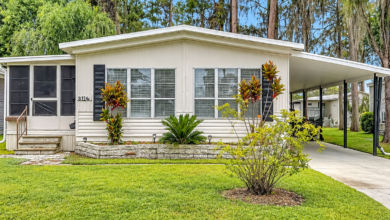
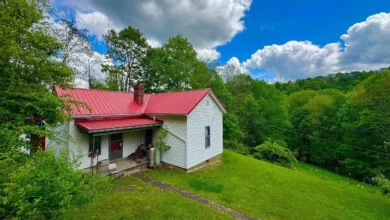
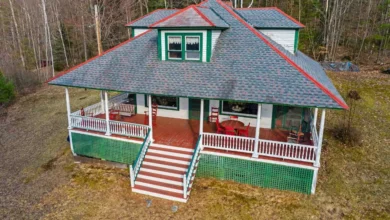
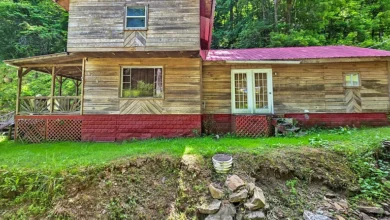
A fully renovated 1937 cottage on 49 private acres with a pond, walking trails, a pole barn, a greenhouse and a storm cellar, listed at [PRICE].
Some listings sell a house. This one sells a way of living.
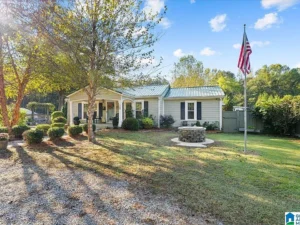
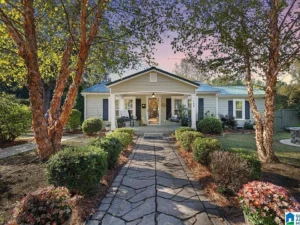
A cottage built in 1937 sits at the center of 49 acres spread across two parcels. The house has been completely renovated, the land has trails and a large private pond, and the outbuildings are the kind a homesteader would actually use.
On paper it is a modest home. In practice, it is a small private estate.
Below, we walk through every part of this property, what the listing tells us, what it does not, and the questions a careful buyer should ask before making an offer.
Property Overview
- Bedrooms: 2
- Bathrooms: 2
- Living area: 1,390 square feet
- Year built: 1937
- Lot size: 49 acres across two parcels
- Roof: metal
- Windows: brand new
- Electrical: updated wiring
- Plumbing: new plumbing
- Water: public water plus a private well
- Outbuildings: pole barn, greenhouse, storage building
- Extras: large private pond, private walking trails, fenced yard, RV parking, storm cellar
- Price: [PRICE]
A Cottage With Nearly Ninety Years of Story
Homes built in the late 1930s were made in a very particular moment. The country was climbing out of the Depression, materials were used carefully, and rural houses were built to be practical first.
That usually means sensible room sizes, solid framing and a layout that makes sense for daily life rather than for show.
What makes this cottage different from many homes of the same age is that the hard, expensive work has already been done. The seller describes it as completely renovated, and the list of updates backs that up.
Buyers get the character of an older home without inheriting most of its usual problems.
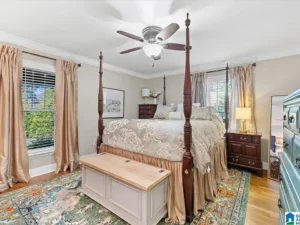
The Bedrooms
There are two bedrooms in the home. For a couple, a small family, a retiree or someone who works from home, that is often exactly enough.
The second bedroom can easily serve as a guest room, a home office or a craft room. On a property this size, many owners also find that hobbies move outdoors into the barn or greenhouse, which keeps the house itself uncluttered.
Ask the listing agent for room dimensions and closet details. Homes from the 1930s sometimes have smaller closets than modern buyers expect, and renovations do not always change that.
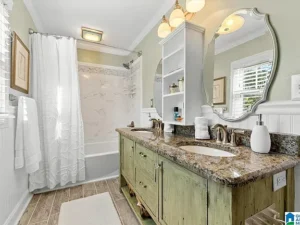
The Bathrooms
Two full bathrooms in a two-bedroom home is a strong layout. It is uncommon in houses from this era, which tells us the renovation likely reconfigured or added space.
Having a bathroom for each bedroom makes the home work well for guests, aging parents or a future buyer if you ever decide to sell.
Because the plumbing is new, it is worth asking what materials were used, whether permits were pulled and whether the work came with any warranty.
The Living Space
At 1,390 square feet, the home is comfortable without being hard to heat, cool or clean. That size is a real advantage on a rural property, where you will likely spend much of your time outdoors.
Many renovated cottages of this age open up the living room and kitchen to create a brighter, more connected space. Others keep the original room divisions for a cozier feel.
Request a floor plan or a full set of interior photos to understand how the rooms flow, especially from the main living area to the yard.
The Kitchen
The listing does not describe the kitchen in detail, so this is one area where buyers will want more information.
In a full renovation, the kitchen is usually where a large share of the budget goes. Ask about the cabinets, countertops, appliances and whether the appliances are included in the sale.
For homesteaders, kitchen practicality matters a lot. Counter space for canning, a large sink and good storage can make a real difference once the greenhouse starts producing.
The Metal Roof
The metal roof is one of the most valuable features on this property.
A well-installed metal roof can last for decades, sheds snow and rain easily and holds up better than shingles in many types of severe weather. It also tends to reduce long-term maintenance.
Some insurance companies offer better rates for homes with metal roofs, particularly in areas with hail or high winds. That alone can help offset part of the purchase price over time.
Ask when the roof was installed, who installed it and whether any manufacturer or contractor warranty transfers to the new owner.
New Windows
Original windows in a 1937 home are charming but rarely efficient. Replacing them is expensive, and it has already been done here.
New windows improve comfort, reduce drafts, cut energy bills and make the home quieter. They also remove one of the most common renovation costs buyers face with older houses.
Ask what type of windows were installed and whether they are double or triple pane.
Updated Wiring
For any home built before the 1950s, the electrical system is one of the first things a buyer should worry about. Old knob and tube wiring or undersized service can make a home difficult to insure and unsafe to live in.
The listing states that the wiring has been updated, which is excellent news.
Still, confirm the details. Ask whether the entire home was rewired or only parts of it, what size the electrical panel is and whether the outbuildings have their own power.
If you plan to run tools in the pole barn or heat the greenhouse in winter, you will want to know how much capacity is available.
New Plumbing
Fresh plumbing removes another major concern that comes with older homes. Corroded galvanized pipes and old drain lines are common in houses of this age and can be expensive to replace.
Find out whether the work covered both supply lines and drain lines. Also ask about the water heater, its age and its capacity.
Public Water and a Private Well
This property offers something rural buyers rarely get: both public water and a private well.
Public water gives you a reliable supply for the home. The private well can be used for irrigation, livestock, the greenhouse or as a backup during outages.
Ask how the well is used today, whether it is connected to the house and whether it has been tested recently. If you plan to drink from it, a water quality test is a must.
The listing does not mention whether the home is on septic or sewer. On a rural property, septic is likely, so ask for its location, age and service history.
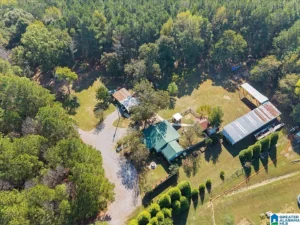
The 49 Acres
This is the heart of the listing.
Forty-nine acres gives you privacy, space and options. You can garden, keep animals, hunt where permitted, walk your own trails or simply enjoy not seeing your neighbors.
The land is split across two parcels. That detail matters more than it seems, and we cover it in more depth in the financing and due diligence sections.
Ask for a survey, a plat map and an aerial view of both parcels. Learn how much of the land is wooded, how much is open and whether any of it is in a flood zone.
The Private Pond
A large private pond adds both beauty and practical value.
Many owners stock their ponds with bass, bluegill or catfish. Ponds can also attract wildlife, provide water for livestock and serve as a reserve for fire protection in rural areas.
Ask about the pond’s depth, whether it is spring fed or runoff fed, whether it has been stocked and the condition of the dam if there is one.
Pond maintenance is usually modest, but dams and spillways need occasional attention.
Walking Trails
The listing mentions miles of private walking trails. That suggests a good amount of the acreage is wooded or naturally landscaped.
Trails are a big quality of life feature. They also make it easier to manage the land, check fence lines and reach the far corners of the property.
If you have a utility vehicle or plan to buy one, find out whether the trails are wide enough to drive.
The Fenced Yard
Around the home, a fenced yard creates a safe space for pets and children, separate from the open acreage.
Ask what type of fencing is used and whether any perimeter or pasture fencing exists elsewhere on the property. Fencing large acreage is expensive, so any existing fence adds real value for buyers who want livestock.
The Pole Barn
A pole barn is one of the most useful buildings a rural property can have.
It can store tractors and equipment, shelter animals, serve as a workshop or hold hay and feed. Some owners even convert part of a pole barn into a heated shop or studio.
Ask about the dimensions, the condition of the floor, whether it has electricity and whether it has doors large enough for equipment or an RV.
The Greenhouse
For gardeners, the greenhouse may be the feature that sells this home.
A greenhouse extends the growing season, lets you start seedlings early and makes it possible to grow food year round in many climates.
Ask about its size, covering material, ventilation and whether it has water and power. A greenhouse paired with a private well is a strong setup for serious food production.
The Storage Building
In addition to the pole barn, there is a separate storage building. That gives you room to keep tools, garden supplies and seasonal items organized and out of the house.
On a property this size, extra storage is never wasted.
RV Parking
Dedicated RV parking is a nice bonus. It is also something many neighborhoods and HOAs do not allow, which makes it a draw for travelers and retirees.
Ask whether the parking area has electrical hookups, water access or a sewer dump connection. A properly equipped RV pad can also serve visiting family.
The Storm Cellar
The included storm cellar is a feature that buyers in severe weather regions value highly.
It offers a safe place during tornado warnings and can also provide cool storage for canned goods and root vegetables.
Ask about its construction, ventilation and whether it stays dry year round.
Living Here as an Owner Occupant
This property suits a very specific type of buyer, and for that buyer it may be close to perfect.
It works well for a couple looking to retire somewhere quiet, a family wanting a homestead lifestyle, or a remote worker who wants space and silence.
The renovated house keeps indoor maintenance low, while the land gives you as many projects as you want to take on.
Before committing, think honestly about distance. Find out how far it is to groceries, hospitals, schools and your workplace. Also confirm internet options, because rural broadband varies widely.
Rental and Income Potential
A property like this offers several ways to generate income, depending on local rules.
- Short-term rental of the cottage as a rural getaway
- RV site rental for travelers
- Selling produce, plants or seedlings from the greenhouse
- Leasing part of the land for hunting, where legal
- Leasing open acreage for hay or grazing
- Offering pond fishing access by arrangement
Check county zoning and any short-term rental regulations before counting on any of these. Some counties also offer agricultural tax exemptions for qualifying land use, which can lower property taxes significantly.
Financing Options
Rural acreage brings its own financing questions. Here is how the main loan types may apply.
USDA Loans
USDA Rural Development loans are designed for rural homes and can offer zero down payment for eligible buyers.
However, USDA loans are meant for modest homes, not income-producing farms. Properties with large acreage can face challenges if the land value is high compared to the home. Lenders will look closely at whether the acreage is typical for the area.
Talk to a USDA-approved lender early to see whether this property qualifies.
FHA Loans
FHA loans offer low down payments and flexible credit requirements. The home must meet FHA property standards, and the renovated condition here should help.
Large acreage can still raise questions during appraisal, so expect the appraiser to look carefully at comparable sales.
VA Loans
Eligible veterans and service members may be able to buy with no down payment through a VA loan.
VA loans can work for rural properties, but the appraisal must support the price and the property must be primarily residential.
Conventional Loans
A conventional mortgage is often the most flexible option for acreage. Many lenders will finance rural homes, though some cap how much land value they will include.
Buyers with strong credit and a larger down payment usually have the smoothest path.
FHA 203k Loans
The FHA 203k loan lets buyers roll renovation costs into the mortgage. Since this home is already renovated, most buyers will not need it.
It could still be useful if you want to add a garage, finish an outbuilding or expand the living space after purchase.
Farm Credit and Land Loans
Because the property sits on two parcels, some buyers may finance the parcel with the house through a standard mortgage and the second parcel through a land loan.
Farm Credit lenders specialize in rural property and are often more comfortable with acreage than typical banks. They are worth a call.
Insurance Considerations
Insuring an older home on large acreage takes a little more planning.
The good news is that the updated wiring, new plumbing, new windows and metal roof address the exact issues insurers worry about most with homes from the 1930s. Keep receipts and permits ready, because they can help you get better rates.
Make sure your policy covers the outbuildings. Pole barns, greenhouses and storage buildings are not always fully covered under a standard homeowners policy.
The pond creates some liability exposure. An umbrella policy is worth considering, especially if you plan to have guests fish or swim.
If any part of the land lies in a flood zone, ask about flood insurance even if your lender does not require it.
Renovation and Improvement Ideas
The hard work is done, but owners often add their own touches.
- Add a covered porch facing the pond or trails
- Install solar panels on the pole barn roof
- Build a dock or small deck at the pond
- Add raised beds or an orchard near the greenhouse
- Run electricity and water to all outbuildings if not already present
- Add a detached garage or workshop
- Fence pasture areas for goats, chickens or horses
Questions to Ask Before Making an Offer
- When was the renovation completed, and were permits obtained?
- Was the entire home rewired, and what size is the electrical panel?
- What materials were used for the new plumbing?
- Is the home on septic or sewer, and when was the septic last serviced?
- Has the well water been tested, and is it connected to the home?
- Are both parcels being sold together, and are they deeded separately?
- Is there a recent survey of the full 49 acres?
- Are there any easements, mineral rights issues or right-of-way agreements?
- Is any part of the land in a flood zone?
- What is the pond’s water source, and has the dam been inspected?
- Do the outbuildings have power and water?
- What are the annual property taxes for both parcels?
- Does the land currently have an agricultural tax exemption?
- What internet service is available at the address?
- Which appliances and equipment are included in the sale?
Inspection Is Essential
A full renovation is a major plus, but it is not a substitute for a professional inspection.
Hire a licensed home inspector to review the house from foundation to roof. Pay special attention to the foundation and crawlspace, since those are rarely replaced in renovations of older homes.
Consider separate inspections for the septic system and the well. A pest inspection is also wise for any home of this age, especially one surrounded by woodland.
If possible, walk the entire property in person. Photos rarely capture drainage, access roads or the true condition of trails and fencing.
The Price in Context
The asking price of [PRICE] should be weighed against what you are actually getting.
Buying 49 acres of rural land on its own can be expensive. Building a new home, a pole barn, a greenhouse, a storm cellar and digging a pond would cost far more in many markets.
On top of that, this home has already been through the most costly renovation work an older house can need: roof, windows, wiring and plumbing.
Compare recent sales of similar acreage nearby and ask a local agent about land values per acre in the area. That will give you the clearest picture of whether the price is fair.
Who This Property Is For
This is not a home for someone who wants a short walk to coffee shops.
It is for someone who wants room to breathe, a garden that feeds the family, a pond to fish on summer evenings and trails to walk with the dog every morning.
It is for buyers who appreciate old homes but do not want to spend years fixing one.
Final Thoughts
This 1937 cottage combines historic charm with the updates that matter most. The metal roof, new windows, updated wiring and fresh plumbing remove most of the risks that come with older homes.
The land is what truly sets it apart. Forty-nine acres, a large private pond, walking trails, a pole barn, a greenhouse, RV parking, a storm cellar and two sources of water make this a rare and highly usable property.
For the right buyer, it is not just a house. It is the beginning of a self-sufficient, peaceful life in the country.
Do your due diligence, ask the right questions and walk the land before you decide.






View the full listing on Zillow
Our website is designed for informational and entertainment purposes only. We are not a real estate brokerage or licensed contracting service. We operate solely as an independent blog, curating interesting houses, DIY guides, and practical home tips found across the internet. All decisions related to real estate transactions or home renovations should be made in consultation with licensed professionals. We do not guarantee the ongoing accuracy or availability of external property listings, as market statuses change rapidly. Please use our content at your own discretion.