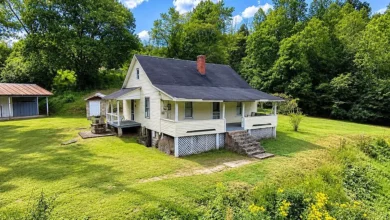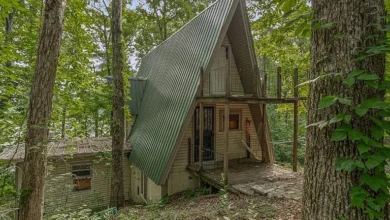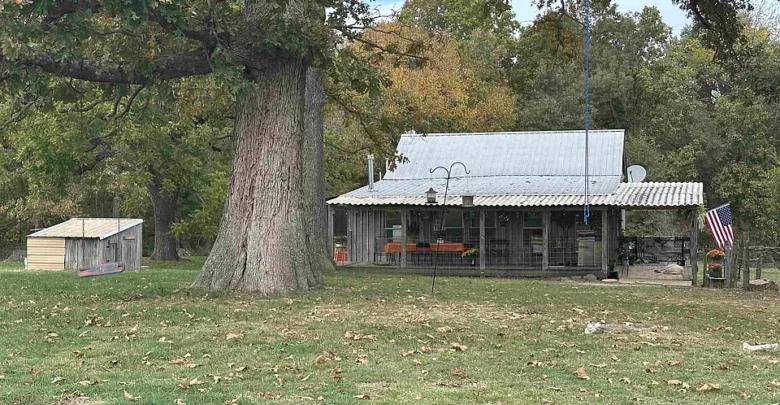
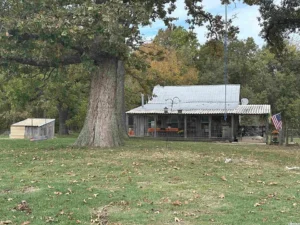
A remodeled 1950 off-grid farmhouse on 11.7 wooded, rolling acres near Pocahontas, Arkansas, with a seasonal creek, a root cellar, a chicken coop, and a lean-to, offered at $189,900.
More people than ever are dreaming about living off the grid.
Growing their own food. Raising chickens. Making their own power. Living quietly on land of their own, far from city noise.
This property is already set up for that life.
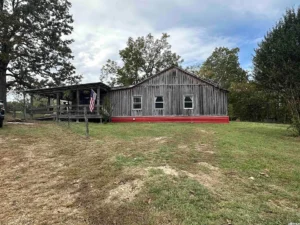
At 13408 Highway 93 near Pocahontas, Arkansas, a remodeled off-grid farmhouse sits on 11.7 acres of wooded, rolling land. There is a seasonal creek, a root cellar, a chicken coop, and beautiful views. The Eleven Point River is just minutes away.
Let’s look at what this homestead offers.
Property Overview
- Price: $189,900
- Address: 13408 Highway 93, Pocahontas, AR 72455
- Bedrooms: 2
- Bathrooms: 1
- Living space: 1,344 square feet
- Year built: 1950
- Lot size: 11.7 acres, wooded and rolling
- Utilities: off-grid
- Condition: remodeled
- Features: seasonal creek, 24×24 lean-to, chicken coop, root cellar, storage container
- Location: northeast Randolph County, about 20 miles from Pocahontas, a couple of miles from the Missouri border
- Nearby: Eleven Point River, about 3.5 miles away
What Off-Grid Means Here
The listing describes this as an off-grid farmhouse.
Off-grid usually means the home is not connected to the public power grid. It may also have its own water and waste systems instead of city water and sewer.
That can mean freedom from monthly utility bills and more independence. It also means you are responsible for producing and maintaining your own power and water.
The listing doesn’t say exactly how the home is powered or where its water comes from. Those are the most important questions to ask before anything else.
The Power System
Ask how the home gets its electricity.
Many off-grid homes use solar panels with battery storage. Some add a generator as backup. Others use a combination of solar, wind, and propane.
Find out the size of the solar system, the age and type of the batteries, and how much power it can produce. Battery banks wear out over time and are expensive to replace, so their age matters.
Also ask whether grid power is available at the road. Even if you love off-grid living, knowing you could connect later gives you options.
The Water Source
Find out where the home’s water comes from.
It could be a drilled well, a spring, or a rainwater catchment system with a cistern. Each has its own maintenance needs.
Have the water tested for bacteria and contaminants. If there is a well, ask about its depth and the type of pump. Off-grid wells sometimes use solar pumps or pressure tanks run by the home’s power system.
Waste and Septic
Ask how waste is handled.
Many off-grid homes still use a standard septic system. Some use composting toilets or other alternatives.
Confirm that the system is permitted and functioning. Arkansas has rules for onsite wastewater systems, and you want to know the home meets them.
Heating and Cooling
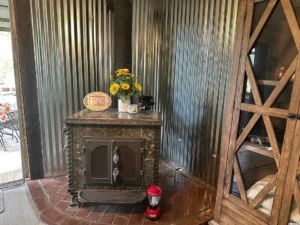
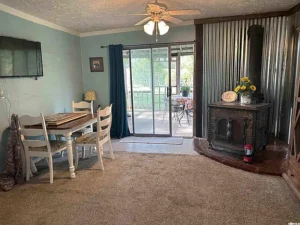
Off-grid homes often rely on wood stoves, propane heaters, or efficient mini-split systems powered by solar.
Ask how the home is heated in winter and cooled in summer. Arkansas summers can be hot and humid, so cooling matters.
If there is a wood stove, find out whether it has been inspected and how much firewood the owners typically use. With 11.7 wooded acres, you may be able to cut much of your own firewood.
The Farmhouse
The farmhouse was built in 1950 and has been remodeled.
A remodeled older home gives you the best of both worlds. You get the charm and character of a mid-century farmhouse, with updates that make it more comfortable to live in.
Ask what the remodel included. Was it cosmetic, like paint and flooring, or did it include wiring, plumbing, the roof, windows, and insulation? That makes a big difference.
The Bedrooms
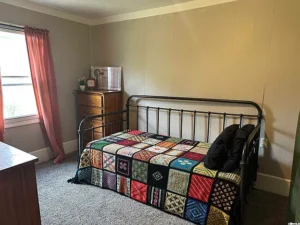
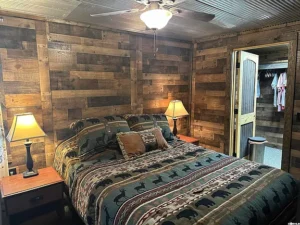
The home has 2 bedrooms.
That suits a couple, a small family, or someone who wants a spare room for guests, crafts, or a home office.
The Bathroom
There is one bathroom.
For a two-bedroom home, one bath is common. Look at how it was updated in the remodel and how water and waste are handled.
The Living Space
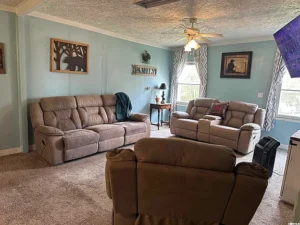
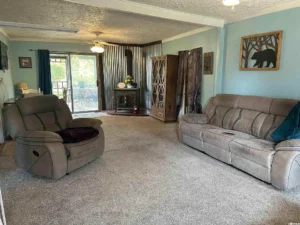
The home has 1,344 square feet.
That is a comfortable size for a two-bedroom house. It is large enough to live well and small enough to heat, cool, and power efficiently. On an off-grid system, a smaller footprint is a real advantage.
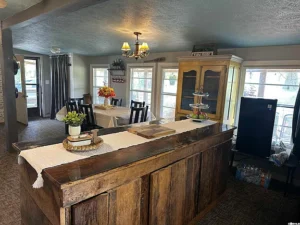
The Kitchen
The listing doesn’t describe the kitchen, so see it in person.
In an off-grid home, ask how the appliances are powered. Many off-grid kitchens use propane ranges and energy-efficient refrigerators to reduce the load on the solar system.
The Roof
Ask about the roof’s age and material.
If it is metal, that is a great choice for rural homes. Metal roofs last a long time and work well for rainwater collection.
The Root Cellar
The property has a root cellar.
This is a classic homesteading feature that many modern homes lack.
A root cellar uses the steady cool temperature of the earth to store food without electricity. Potatoes, carrots, apples, squash, onions, and home-canned goods can keep for months.
For an off-grid homestead, that is very practical. It reduces your need for refrigeration and makes it easier to store a garden harvest through the winter.
In tornado-prone areas, a sturdy root cellar can sometimes double as storm shelter. Check its condition and safety before relying on it for that.
The Chicken Coop
A chicken coop is already on the property.
Chickens are often the first animals new homesteaders add. They provide fresh eggs, help control bugs, and produce manure that enriches garden soil.
Check the coop’s condition and how well it protects against predators. In wooded areas, foxes, raccoons, hawks, and other predators are common.
The 24×24 Lean-To
The property includes a 24×24 lean-to.
A lean-to of this size offers 576 square feet of covered space. It can shelter vehicles, tractors, firewood, hay, or equipment. It could also be enclosed later as a barn or workshop.
The Storage Container
There is also a storage container on site.
Shipping containers are popular on rural properties because they are secure, weather resistant, and pest resistant. They work well for storing tools, feed, and supplies.
The Seasonal Creek
A seasonal creek runs through the property.
Seasonal means it flows during wetter months and may dry up in late summer or fall. It adds beauty and wildlife habitat, and it can be a source of water for animals or gardens when it is running.
Ask how the creek behaves after heavy rain and whether it ever floods any part of the land.
The Land
The property covers 11.7 acres of wooded, rolling land.
Wooded land gives privacy, shade, firewood, and wildlife. Rolling terrain adds character and views.
Walk the land to see how much is open versus wooded. Gardens and pasture need sunny, cleared ground. If more open space is needed, clearing a small area is often possible.
The Views
The listing mentions breathtaking views.
In the hills of northeast Arkansas, views over wooded ridges and valleys can be beautiful, especially in fall color. Find out where on the property the best views are.
Wildlife
Wooded, rolling land near a river system usually supports plenty of wildlife.
Deer, wild turkey, squirrels, and many kinds of birds are common in this part of Arkansas. For hunters, 11.7 acres can offer opportunities on your own land. Check Arkansas hunting regulations and seasons first.
The Eleven Point River
The property is only about 3.5 miles from the Eleven Point River.
The Eleven Point is a beautiful spring-fed river that flows out of the Missouri Ozarks into northeast Arkansas. It is known for clear water, scenic bluffs, floating, canoeing, kayaking, and fishing.
Having a river like this so close is a real lifestyle bonus. Summer float trips and fishing days are just minutes from home.
Living Here as an Owner-Occupant
This is a property for someone who wants a simpler, more self-reliant life.
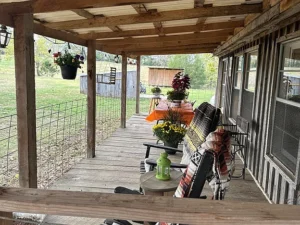
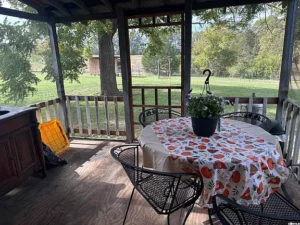
Mornings could start collecting eggs from the coop. Days could be spent in the garden, cutting firewood, or working in the lean-to. Evenings on the porch, watching the light fade over the hills.
And when you want a change of pace, the river is close for floating and fishing.
It is important to be honest with yourself about off-grid living. It takes more planning and maintenance than a typical home. Many people love it, but it is a lifestyle, not just a house.
Rental and Getaway Potential
Off-grid cabins and homesteads near rivers are popular with travelers seeking a unique experience.
This property could appeal to guests looking for a quiet retreat near the Eleven Point River, especially for float trips and fishing.
Check Randolph County rules for short-term rentals, along with insurance and licensing, before planning any rental income.
Financing Off-Grid Property
Off-grid homes can be harder to finance than standard homes.
Many lenders and appraisers want to see a reliable power source, safe drinking water, and an approved waste system. Some are uncomfortable with homes that are not connected to the grid.
Cash is the simplest way to buy an off-grid property.
Conventional loans may work if the appraiser finds the home meets standards and comparable sales support the value.
USDA loans serve rural areas, but the home must have adequate utilities. A well-designed off-grid system may or may not qualify, depending on the lender and appraiser.
FHA and VA loans also have requirements for water, power, and waste. Talk to lenders early.
Farm and land lenders, such as Farm Credit associations, are often more comfortable with rural and unconventional properties.
Seller financing is sometimes available on rural properties. It never hurts to ask.
Insurance
Insuring an off-grid home can also take some shopping.
Insurers may ask about the power system, battery storage, wood stoves, and distance to the nearest fire department. Rural homes far from fire stations can carry higher premiums.
Make sure the policy covers outbuildings, the lean-to, and any solar equipment. Get quotes before you finalize your purchase.
Possible Projects and Improvements
- Expand or upgrade the solar system
- Replace aging batteries if needed
- Add a backup generator
- Install a rainwater catchment system
- Clear a sunny area for a large garden
- Expand the chicken flock or add goats
- Enclose the lean-to as a barn or workshop
- Plant fruit trees or a small orchard
- Add a covered porch or deck
- Cut walking trails through the woods
- Build a greenhouse for year-round growing
Questions to Ask Before Making an Offer
- How is the home powered, and how old is the system?
- What type and age are the batteries?
- Is grid power available at the road?
- What is the water source?
- Has the water been tested?
- How is waste handled, and is the system permitted?
- How is the home heated and cooled?
- What did the remodel include?
- How old is the roof?
- Has the seasonal creek ever flooded?
- What internet and cell service is available?
- Is there a recent survey?
- Are there any easements or restrictions?
- Do the storage container and other items stay with the property?
Inspection Is Essential
An off-grid home needs a different kind of inspection.
A standard home inspector can check the structure, roof, and general condition. But you may also need a solar professional to look at the panels, batteries, inverter, and wiring.
Have the water tested and the well or water system checked. Inspect the septic or waste system.
For a 1950 home, ask about any older materials that may remain behind the remodel. Homes built before 1978 can contain lead-based paint.
Check the root cellar for structural soundness and moisture.
Pocahontas and Randolph County
Pocahontas is the county seat of Randolph County in northeast Arkansas.
It is a small town on the Black River with a historic downtown. Groceries, hardware stores, and everyday services are available there.
This property sits about 20 miles from town, in the northeast part of the county, just a couple of miles from the Missouri border.
The area is known for rivers, rolling hills, and outdoor recreation. Larger cities like Jonesboro are within driving distance for bigger shopping trips and services.
The Price in Context
At $189,900, the home works out to about $141 per square foot, with 11.7 acres included.
For a remodeled farmhouse with land, a root cellar, a chicken coop, a lean-to, and a storage container already in place, that is an attractive entry point for homesteading.
Just remember to factor in off-grid costs. Battery replacements, generator fuel, and system maintenance should all be part of your budget.
Who This Property Is For
Homesteaders ready to live more self-reliantly.
Buyers looking to escape city life for peace and quiet.
Gardeners and small-scale farmers who want land and storage.
River lovers who want to be close to floating and fishing.
Anyone curious about off-grid living who wants a setup that is already in place.
Final Thoughts
13408 Highway 93 offers a ready-made start to the off-grid dream.
The remodeled farmhouse gives you a comfortable home. The root cellar, chicken coop, lean-to, and storage container give you the tools of a working homestead. The woods, the creek, and the views give you peace.
And the Eleven Point River is just down the road.
Learn everything you can about the power, water, and waste systems before you buy. If they check out, this could be the simple, independent life you have been looking for.
View the full listing on Zillow
Our website is designed for informational and entertainment purposes only. We are not a real estate brokerage or licensed contracting service. We operate solely as an independent blog, curating interesting houses, DIY guides, and practical home tips found across the internet. All decisions related to real estate transactions or home renovations should be made in consultation with licensed professionals. We do not guarantee the ongoing accuracy or availability of external property listings, as market statuses change rapidly. Please use our content at your own discretion.