Houses
Massive Former Assisted Living Facility with Incredible Investment Potential in Elmira, New York

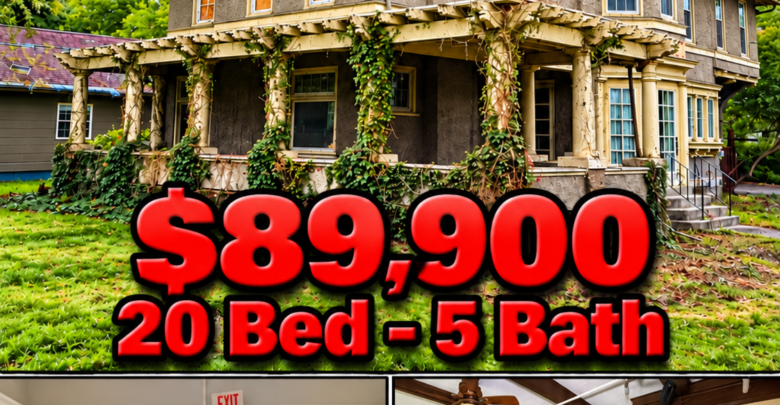
Former Assisted Living Facility For Sale in Elmira, New York
A large corner-lot building with multiple levels, numerous rooms, on-site parking, and serious redevelopment potential in New York’s Southern Tier.
Some properties are houses. Others are projects.
This one in Elmira, New York, is very much a project, and that is exactly why it stands out.
The building once operated as an assisted living facility. Today it sits ready for its next chapter, whether that means apartments, multi-family housing, or one of the most unusual private residences in the region.
It is big. It is flexible. And it sits on a corner in a city with a long history and some of the most affordable property prices in the Northeast.
Let’s walk through what this building offers, what it could become, and what any serious buyer needs to know before making a move.
Property Overview
Here is a quick summary of the key details described in the listing:
- Location: Elmira, New York (Chemung County)
- Former use: Assisted living facility
- Layout: Numerous rooms and flexible spaces across multiple levels
- Lot: Corner location
- Parking: Dedicated parking areas on site
- Utilities: In place to support renovation work
- Condition: Requires restoration and redevelopment
- Potential uses: Apartments, multi-family housing, or a unique large residence
Exact square footage, room counts, zoning designation, and pricing should be confirmed directly on the official listing and with the city.
A Building With a Past
Assisted living facilities are built differently from ordinary homes.
They are designed to house many people at once, each with a private or semi-private room, along with shared spaces for dining, gathering, and staff work.
That history matters, because it shapes everything about how this building can be reused.
The good news is that the bones of a residential layout already exist. People lived here. Rooms were designed for daily living, not storage or office cubicles.
That gives a redevelopment team a real head start compared to converting a warehouse or a retail building.
The Rooms
The listing highlights numerous rooms, and that is the defining feature of this property.
In a former care facility, resident rooms are often arranged along corridors, sometimes with their own sinks or bathrooms. That arrangement can translate well into studio units or one-bedroom apartments when walls are reconfigured.
Pairs of adjoining rooms can sometimes be combined into larger units with a separate bedroom and living area.
Buyers should walk every room, count the existing plumbing locations, and map out which walls are structural before drawing any floor plan.
Flexible Common Spaces
Beyond private rooms, buildings like this usually include larger open areas.
Former dining halls, activity rooms, lounges, and staff areas can become shared amenities, a laundry room, storage units, a fitness space, or additional apartments.
For someone imagining a private residence, these same spaces could become a grand living room, a home theater, a studio, or an entertaining hall large enough for family gatherings that most houses could never handle.
Flexibility is the real asset here. The building does not lock a buyer into one idea.
Multiple Levels
The interior spans multiple levels, which adds both opportunity and responsibility.
More floors mean more usable space on the same footprint. That is valuable on a city lot where expanding outward is limited.
It also means vertical systems matter. Stairways, fire separations, and any existing elevator or lift will all need careful evaluation.
If an elevator exists, it should be inspected and its service history reviewed. Reviving an old elevator can be expensive, but having the shaft already in place is a significant advantage for an apartment conversion.
The Corner Location
Corner lots carry a few natural advantages.
They usually offer more street frontage, more natural light on two sides, better visibility, and easier access for parking and deliveries.
For a multi-family project, a corner position can also make it easier to create separate entrances, which tenants appreciate and which can help with code compliance.
For a private owner, it simply means a more open, less boxed-in feeling than a mid-block property.
Parking
Parking is one of the most underrated features in any urban redevelopment.
Many older buildings in small cities were never built with off-street parking, which can limit how many units a project is allowed to include and how attractive those units are to renters.
Here, parking areas are already on site. That can be a major selling point for future tenants and may help the project meet local requirements for residential use.
Buyers should confirm how many spaces exist and how the city’s parking rules apply to the number of units they plan to build.
Utilities
The listing notes that utilities are in place to support future renovation plans.
That is a meaningful detail. Bringing new water, sewer, gas, or electrical service to a building can cost a great deal and take months of coordination.
Still, “in place” does not always mean “ready for the new use.” An apartment conversion typically requires separate metering for each unit, and the existing electrical service may need an upgrade to handle individual kitchens and appliances.
A licensed electrician and plumber should evaluate capacity before any budget is finalized.
Roof
On a large building, the roof is one of the biggest single cost items.
Ask for the age of the roof, the material, and any records of repairs. Look for water stains on top-floor ceilings and check the attic or roof spaces for signs of leaks.
A failing roof on a building this size can quickly change the economics of the entire project, so it deserves early attention.
Foundation and Structure
The Southern Tier of New York sees cold winters, heavy snow, and freeze-thaw cycles that test any foundation.
A structural engineer should examine the foundation, basement walls, and load-bearing elements, especially if the plan involves removing walls to create larger units.
Cracks, moisture, and settling are common in older buildings. Most issues are manageable, but they need to be identified and priced before closing, not after.
Heating and Cooling
Care facilities often run on large central heating systems, sometimes boilers serving the entire building.
That setup can work for apartments, especially if heat is included in rent. Other owners prefer converting to individual systems so each tenant controls and pays for their own comfort.
Either approach is possible, but the choice affects renovation cost, operating cost, and rent structure. An HVAC contractor can help weigh the options.
Fire Safety Systems
Assisted living facilities are usually required to have fire alarms, emergency lighting, and often sprinkler systems.
If those systems remain in the building and can be reactivated or updated, they could save a redevelopment team significant money, because multi-family buildings in New York face their own fire safety requirements.
Confirm what exists, when it was last inspected, and whether it can be adapted to residential use.
Flooring and Interior Finishes
Expect institutional finishes. Vinyl flooring, drop ceilings, handrails along corridors, and commercial-grade fixtures are typical in care facilities.
Most of these will likely be replaced during a conversion. The silver lining is that institutional materials are often durable, and stripping them can sometimes reveal original hardwood or architectural details underneath.
Renovation budgets should assume a full interior refresh.
Accessibility Features
One hidden benefit of a former assisted living building is that it may already include accessibility features.
Wider doorways, ramps, grab bars, accessible bathrooms, and level thresholds can all carry over into a residential project.
Accessible units are in demand, particularly among older renters, and having that infrastructure in place can reduce conversion costs.
Option One: Apartments
The most obvious path for this property is a conversion into rental apartments.
The room layout, common areas, parking, and corner frontage all point in that direction.
Small studios and one-bedroom units tend to rent well in cities with colleges, hospitals, and service jobs, and Elmira has all three.
An apartment project also allows an investor to spread renovation costs across many units, which can make the per-unit cost far lower than building new.
Option Two: Multi-Family Housing for Specific Groups
Some investors may see an opportunity to keep the building’s purpose close to its roots.
Senior apartments, independent living units, or workforce housing could all fit naturally into a building originally designed for group living.
These models can sometimes qualify for affordable housing programs, grants, or tax incentives through state and local agencies. Each program has strict requirements, so early conversations with housing agencies are worth having.
Option Three: A One-of-a-Kind Residence
Then there is the bold option.
Turning a former care facility into a single private home is not for everyone. But for a large family, a multi-generational household, or someone who simply wants space on a scale few houses can offer, it is a fascinating idea.
Imagine a dozen guest rooms, a private gym, a home office wing, a workshop, and a hall big enough for any celebration.
Heating, maintenance, and taxes on a building this size are serious considerations, but the result would be a home unlike anything else in the neighborhood.
Owner-Occupant Potential
A middle path is also worth considering.
An owner could live in one section of the building while renting out the rest. This approach can help cover the mortgage and operating costs while the owner oversees the property directly.
Living on site also makes it easier to manage contractors during a phased renovation, completing units one at a time as budget allows.
Rental Potential
Elmira has historically had lower rents than larger New York cities, but it also has some of the lowest acquisition costs in the state.
That combination is what attracts investors. Lower purchase prices can produce strong returns when renovation costs are controlled.
Before committing, buyers should study current rents for comparable apartments in the area, vacancy rates, and what tenants expect in terms of finishes and amenities.
A local property manager can be an excellent source for realistic rent estimates.
Financing a Project Like This
Financing a former commercial facility is different from buying a typical house.
Conventional residential mortgages generally cover properties with one to four units. If the plan involves five or more apartments, buyers will usually need commercial financing.
Here are the most common paths:
- Commercial bank loans: Local and regional banks often understand their own markets best and may be more open to redevelopment projects.
- Construction or renovation loans: These release funds in stages as work is completed and inspected.
- FHA 203(k) loans: Designed for properties of one to four units with an owner living on site. These would only apply if the building is converted into a small multi-family property and the buyer occupies one unit.
- FHA multifamily programs: HUD offers programs for larger multifamily projects involving substantial rehabilitation. They involve longer approval timelines but can offer favorable terms.
- SBA loans: In some cases, SBA programs can be used for real estate tied to an operating business.
- Private or hard money lenders: Faster and more flexible, but typically with higher interest rates. Often used as short-term financing before refinancing.
- Cash or partnerships: Many redevelopment projects are funded by investor groups pooling resources.
USDA and VA home loans are designed for residential properties and are unlikely to apply to a building of this type in its current condition, though a qualified loan officer can confirm eligibility for specific plans.
Possible Incentives
Depending on the building’s age and history, historic rehabilitation tax credits may be worth investigating.
Federal and New York State programs have historically offered credits for the qualified rehabilitation of certified historic buildings. Eligibility depends on whether the property is listed or contributes to a historic district.
Local economic development agencies in Chemung County may also be able to point buyers toward grants, tax abatements, or housing programs.
Insurance Considerations
Insuring a vacant building under renovation requires the right type of policy.
Standard homeowners insurance usually does not cover vacant or under-construction properties. Buyers will likely need a builder’s risk policy or a vacant property policy during the renovation phase.
Once units are leased, a commercial or landlord policy with liability coverage will be essential.
Get insurance quotes early. The cost can influence the total project budget more than many buyers expect.
Zoning and Change of Use
This may be the single most important step.
Converting a former assisted living facility into apartments is a change of use. That typically requires approval from the city’s zoning and building departments.
Buyers should confirm the current zoning, the number of units allowed, parking requirements, and whether any variances would be needed.
New York State’s building and fire codes will also apply to the renovation, covering fire separations, exits, sprinklers, and accessibility.
Speak with the City of Elmira’s code and planning offices before making an offer, or make the offer contingent on approvals.
Renovation Priorities
Every project is different, but a building like this will likely require work in these areas:
- Roof inspection and repair or replacement
- Structural assessment of foundation and load-bearing walls
- Electrical upgrades and separate unit metering
- Plumbing updates for new kitchens and bathrooms
- Heating system evaluation or replacement
- Fire alarm and sprinkler system review
- Window replacement for energy efficiency
- Insulation improvements
- New flooring, drywall, and interior finishes
- Kitchen installations in each unit
- Exterior repairs, painting, and parking lot resurfacing
- Environmental testing for asbestos and lead paint
Questions to Ask Before Buying
A smart buyer arrives with questions. Here are the ones that matter most:
- What is the total square footage, and how many rooms are there?
- How many bathrooms exist, and where are they located?
- When was the building last occupied?
- What is the current zoning designation?
- Has the city indicated support for residential conversion?
- Is there a working elevator?
- Are fire suppression and alarm systems still functional?
- What is the age and condition of the roof?
- What type of heating system does the building use?
- Have asbestos or lead tests ever been performed?
- Are there any outstanding code violations or liens?
- What are the current annual property taxes?
- How many parking spaces are available?
- Are there any environmental concerns on the lot?
Inspection Is Essential
On a property of this scale, a standard home inspection is not enough.
Buyers should consider a commercial property inspection, a structural engineer’s report, environmental testing, and evaluations from licensed electricians, plumbers, and HVAC contractors.
These reports cost money up front, but they can save far more by revealing problems before the purchase is final.
They also give buyers solid information to negotiate price or terms.
About Elmira
Elmira sits in Chemung County in New York’s Southern Tier, close to the Pennsylvania border.
The city is known for its deep history. Mark Twain spent many summers in the area and is buried in Elmira’s Woodlawn Cemetery. His famous octagonal study now stands on the campus of Elmira College.
The region offers access to the Finger Lakes, with wineries, lakes, and outdoor recreation within a short drive. Corning, home of the well-known Corning Museum of Glass, is just a few miles to the west.
Elmira also has a regional medical center, a college, and the Elmira Corning Regional Airport, all of which support steady demand for housing.
Price in Context
Large buildings in small cities can often be purchased for a fraction of what similar square footage would cost in bigger markets.
That low entry price is the main attraction. But the purchase price is only the beginning.
The real number to focus on is the total project cost: purchase, renovation, financing, holding costs, permits, and professional fees combined.
Compare that total against the projected rental income or resale value. If the numbers work with a healthy margin for surprises, the project may be worth pursuing.
Who Is This Property For?
This building is best suited for experienced investors, developers, or contractors who understand large-scale renovation.
It may also appeal to a creative buyer with a strong vision and the patience to see it through, especially one willing to partner with experienced professionals.
It is not a weekend project. It is a long-term transformation that rewards planning, budgeting, and persistence.
Final Thoughts
This former assisted living facility in Elmira offers something rare: space, flexibility, and a corner location in a city where property remains within reach.
The numerous rooms, multiple levels, on-site parking, and existing utilities give it a foundation that many redevelopment projects simply do not have.
Whether it becomes a building full of apartments, a home for a specific community, or one extraordinary private residence, its next chapter is waiting to be written.
For the right buyer with a clear plan and the right team, this could become one of the most interesting transformations in the Southern Tier.

Watch Via Zillow
View the full listing on Zillow
Our website is designed for informational and entertainment purposes only. We are not a real estate brokerage or licensed contracting service. We operate solely as an independent blog, curating interesting houses, DIY guides, and practical home tips found across the internet. All decisions related to real estate transactions or home renovations should be made in consultation with licensed professionals. We do not guarantee the ongoing accuracy or availability of external property listings, as market statuses change rapidly. Please use our content at your own discretion.