Houses
73.55 acres with a cabin
A secluded West Virginia mountain tract with oak timber, internal trails, a cabin, electric, private water and sewer, and free gas, listed at $184,500.

Most people dream of owning a little land. This listing offers a lot of it.
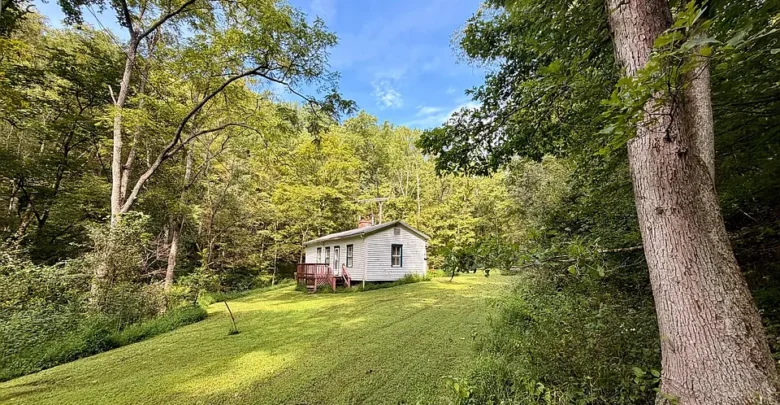
Roughly 74 acres of private West Virginia mountain property, covered in white and red oaks, crossed by an established trail system, and already equipped with electric, private water, private sewer, and free gas. There is even a cabin on site to get out of the weather.
For hunters, campers, timber investors, and anyone who wants to disappear into the woods on weekends, this is the kind of property that does not show up very often.
Let’s go through it.
The Basics at a Glance
The property covers 73.55 acres and is listed at $184,500.
That works out to roughly $2,500 per acre, and that figure includes a cabin, utilities, and a trail network already in place.
The cabin is being sold strictly as-is, which we will cover in detail below.
The listing details shared here did not include an exact address, so check the current listing for the precise location in West Virginia.
Property Overview
- Location: West Virginia
- List price: $184,500
- Lot size: 73.55 acres (about 74 acres)
- Price per acre: Roughly $2,500
- Setting: Secluded mountain property
- Timber: Mix of white and red oaks, described as marketable
- Access: Established internal trail system
- Structure: Existing cabin, sold strictly as-is
- Electric: On site
- Water: Private
- Sewer: Private
- Gas: Free gas
- Best suited for: Hunting, recreation, camping, timber investment, weekend getaways
The 74 Acres
Seventy-four acres is a serious piece of land.
At that size, you are not just buying a lot. You are buying your own section of the mountains. There is room for hunting, trail riding, camping spots, a future homesite, and plenty of untouched forest.
Walk as much of it as you can before buying. Look at the terrain, the slopes, the ridgelines, the hollows, and any streams or springs. Ask for a survey so you know exactly where the boundaries are.
Secluded and Private
The listing describes the setting as secluded.
In a world that feels crowded and noisy, real privacy has become one of the most valuable things a property can offer. Here, you can step outside and hear nothing but wind, birds, and leaves.
With this much land, neighbors are likely far away. That is the whole point.
The Internal Trail System
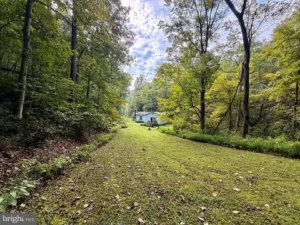
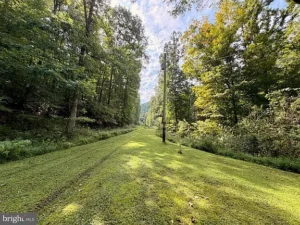
The property already has an established internal trail system.
That is a big advantage. Cutting trails through mountain woods takes time, equipment, and money. Having them already in place means you can explore the property from day one, whether on foot, on an ATV, or on a UTV.
Trails also make it easier to reach hunting stands, haul firewood, check on timber, and enjoy the land in every season.
Ask whether the trails need any maintenance and how they hold up after heavy rain.
White and Red Oak Timber
The property has a mix of white and red oaks, described in the listing as marketable timber.
Oak is one of the most valuable hardwoods in the eastern United States. White oak in particular is prized for furniture, flooring, and barrels. A strong stand of oak can add real value to a property.
If timber value matters to you, hire a professional forester to do a timber cruise. They can estimate the volume and value of the trees and recommend a sustainable plan. Some owners use selective harvests to earn income while keeping the forest healthy.
Ask whether the property has been logged recently, and whether any timber rights have been sold or reserved.
Oaks and Wildlife
Oak forests are also great for wildlife.
Acorns are a key food source for deer, turkey, bear, and squirrels. A property full of oaks naturally attracts game, which is one reason this land fits hunters so well.
Exceptional Hunting
The listing highlights exceptional hunting opportunities.
West Virginia is known for its deer, turkey, and bear hunting. On 74 private acres, you can set up stands, food plots, and trail cameras without competing with crowds on public land.
Check West Virginia hunting regulations and seasons, and confirm there are no hunting leases already in place on the property.
The Cabin
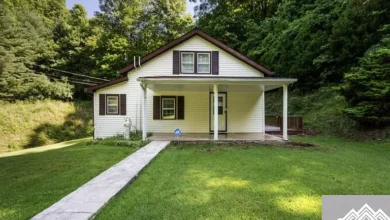
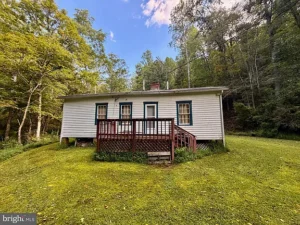
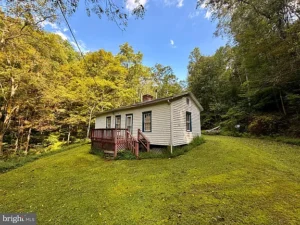
An existing cabin comes with the property.
The listing describes it as a place to get out of the elements while enjoying the land. That suggests a simple, rustic structure, more of a camp or shelter than a finished home.
When you visit, look at the roof, walls, floor, and windows. Decide whether you want to use it as-is, fix it up, or eventually replace it with something new.
Sold Strictly As-Is
The cabin is being sold strictly as-is.
That means the seller will not make repairs. You buy it in its current condition.
Still, get it inspected so you understand what you are buying. Knowing its condition helps you plan a budget and decide how to use it.
Electric on Site
Electric is already on site.
Bringing power to remote mountain land can be very expensive, sometimes tens of thousands of dollars depending on distance. Having it already in place saves money and makes the property far more usable.
Ask how far the service reaches on the property and whether it is connected to the cabin.
Private Water
The property has private water.
That likely means a well or spring. Ask which it is, test the water quality, and check how much water it produces.
Private Sewer
The property has a private sewer system, which most likely means a septic system.
Ask about its age, size, permits, and when it was last pumped. If you plan to build a larger home someday, find out whether the system could handle it or would need an upgrade.
Free Gas
Free gas is one of the most unusual and valuable features in this listing.
In parts of West Virginia, properties with gas wells on or near them sometimes come with free gas for household use, often through a lease agreement with a gas company.
Free gas can be used for heating, cooking, and hot water, which can save a lot of money over the years.
Ask exactly how the free gas works. Who provides it, how much you can use, whether the agreement transfers to a new owner, and whether there are any conditions. Also ask who owns the mineral rights, since that affects gas, oil, and other resources under the land.
Mineral Rights
Since free gas is mentioned, mineral rights are worth a close look.
In West Virginia, surface rights and mineral rights are often separated. That means one person may own the land while someone else owns what is under it.
Ask whether any mineral rights convey with the sale, and whether there are any existing leases, wells, or pipelines on the property. A title search and a real estate attorney can help here.
Camping and Recreation
The listing mentions camping and recreation as great uses for the land.
Picture tents or campers under the oaks, a fire pit at the end of a trail, kids exploring the woods, and stargazing far from city lights. With electric and water on site, setting up a comfortable camp is much easier.
If you plan to bring an RV, check local rules about long-term camping.
A Weekend Getaway
For many buyers, this would become a weekend escape.
Drive in Friday night, hunt or hike on Saturday, cook over a fire, and head home Sunday feeling recharged. Over time, you could improve the cabin or build something new.
A Timber Investment
The listing also points to timber investment.
Land with good hardwood can hold value and produce income through careful harvests. Many landowners manage their forest for both wildlife and long-term timber value.
Talk with a forester before making any timber decisions. A good plan protects the land and its future value.
A Future Home
With power, water, sewer, and gas already on site, this land could also become the location of a future home.
Pick a spot with a view, good access, and solid ground. Check with the county about building permits and whether the existing systems could support a full-size house.
Road Access
The listing does not describe the road leading to the property.
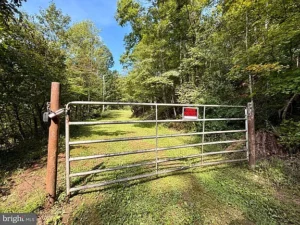
Ask how you reach the land, whether it has a deeded right of way, and whether the road is passable in winter. On mountain property, access is everything.
Possible Projects
- Fixing up the cabin or replacing it
- Hiring a forester for a timber cruise
- Setting up hunting stands and food plots
- Maintaining and expanding the trail system
- Building a camping area with a fire pit
- Adding a pole barn for ATVs and equipment
- Planning a future homesite
- Installing trail cameras across the property
Financing Options to Consider
Cash is often the simplest option for large recreational land with an as-is cabin.
Land loans from local banks and credit unions are common for acreage like this. They usually need larger down payments and shorter terms than home mortgages.
Farm credit lenders specialize in rural land and may offer better terms for timber and recreational tracts.
Home equity loans on another property can be another way to fund the purchase.
Standard FHA, VA, USDA, and conventional mortgages usually require a livable home that meets their standards. An as-is cabin may not qualify, so check with a lender before making an offer.
Insurance Considerations
Insuring recreational land with a cabin may need a special policy.
You may need a seasonal or vacant property policy for the cabin, plus liability coverage for the land. That is especially important if you hunt, ride ATVs, or invite guests.
Ask insurers about any coverage related to gas wells or pipelines on the property.
Due Diligence Questions to Ask
- What is the exact address and county?
- How is the property accessed, and is there a deeded right of way?
- How does the free gas agreement work, and does it transfer?
- Who owns the mineral rights?
- Are there any gas wells, leases, or pipelines on the land?
- Has the timber been cut recently, or are timber rights reserved?
- Is the water from a well or a spring?
- How old is the sewer system, and is it permitted?
- Is power connected to the cabin?
- Are there any hunting leases on the property?
- Is there a recent survey?
- What are the annual property taxes?
Inspection Is Essential
Even with an as-is cabin, inspect what you can.
Have the cabin looked at, test the water, check the sewer system, and confirm the electric and gas setup. Bring in a forester to evaluate the timber and an attorney to review the title and mineral rights.
The Price in Context
At $184,500, buyers are getting about 74 acres for roughly $2,500 per acre.
On top of the land, the price includes oak timber, internal trails, a cabin, electric, private water, private sewer, and free gas. That is a lot of infrastructure for mountain acreage.
Your agent can pull recent land sales in the county to see how this price compares.
Who This Property Is Best For
This property is a great fit for hunters, campers, timber investors, ATV riders, and anyone who wants a large private retreat in the West Virginia mountains.
It is not for buyers who want a finished home ready to move into.
Final Thoughts
This 74-acre West Virginia tract offers what is getting harder to find every year: space, privacy, and natural resources.
White and red oaks. Trails already cut. A cabin to shelter in. Electric, private water, private sewer, and free gas already on site. And endless room to hunt, camp, ride, and explore.
As the listing says, properties like this do not come along often.
View the full listing on Zillow: 74-acre mountain retreat in West Virginia
Our website is designed for informational and entertainment purposes only. We are not a real estate brokerage or licensed contracting service. We operate solely as an independent blog, curating interesting houses, DIY guides, and practical home tips found across the internet. All decisions related to real estate transactions or home renovations should be made in consultation with licensed professionals. We do not guarantee the ongoing accuracy or availability of external property listings, as market statuses change rapidly. Please use our content at your own discretion.