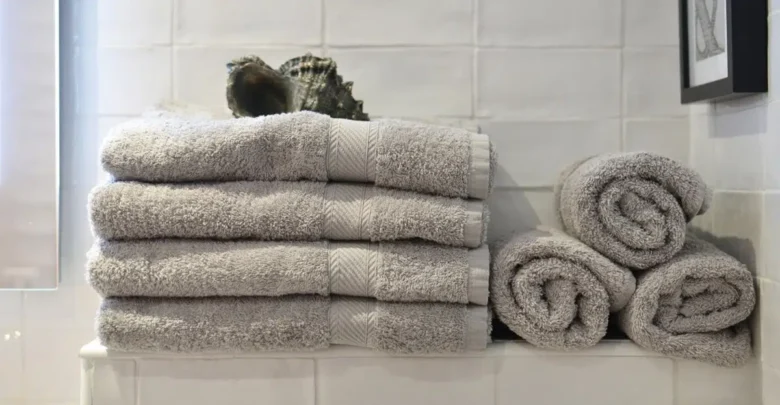
I’ll admit it. For years I treated every towel in my house the same. Kitchen towels, bath towels, hand towels—they all went into the same load. It felt efficient. One cycle, less water, less time, less thinking. Then one day I pulled a “clean” bath towel out of the dryer and caught a faint greasy smell that didn’t belong on anything touching my skin. That’s when I started asking the question properly: can you wash kitchen towels and bath towels together?
The short answer is yes, you can. The better answer is that you usually shouldn’t make it a habit. Let’s walk through why, without the scare tactics or overcomplicated laundry science.
Why Kitchen Towels and Bath Towels Are Not the Same
Kitchen towels live a rough life. They dry hands after handling raw chicken. They wipe up spilled olive oil. They catch the last bits of tomato sauce from a cutting board. They get folded and reused more times than most of us want to admit. That means food particles, grease, and bacteria hang around on them far more than on the towels we use after a shower.
Bath towels mostly deal with water, skin oils, and maybe a bit of lotion. They’re damp, sure, and they can grow bacteria if left in a heap, but they rarely meet the same mix of proteins, fats, and kitchen mess. When you toss both types into one load, you’re mixing two very different levels of dirt.
Modern detergents are good. Hot water helps a lot. But grease and certain food residues can still cling, and they don’t always rinse away completely when the machine is full or the water isn’t hot enough.
The Real Risk: Cross-Contamination

The biggest issue isn’t that your bath towels will suddenly become dangerous. It’s that kitchen residues can transfer. Grease can leave a film. Bacteria that thrived on food scraps can move onto fabric that ends up against your face or body. Even if the detergent kills most of the living stuff, the leftover smell and feel can stick around.
I learned this the hard way after a week of heavy cooking. My kitchen towels had handled everything from bacon grease to raw fish. I threw them in with the bath towels because the hamper was full. The bath towels came out smelling faintly like the kitchen. Not terrible, but not the fresh cotton smell I wanted after a shower either.
Proper washing reduces the risk a lot. Hot water, enough detergent, and a full dry cycle make a real difference. Still, separation remains the cleaner, smarter default.
When It’s Actually Fine to Wash Them Together
Life isn’t perfect. Sometimes you only have enough towels for one load. Here’s when combining them is reasonable:
- The kitchen towels are only lightly used—no raw meat, no heavy grease, no sticky spills.
- You’re washing in the hottest water the fabric care label allows.
- You’re using a good quality detergent and not overloading the machine.
- Everything goes straight into the dryer and comes out fully dry.
I’ve done this plenty of times when the kitchen towels just wiped a few plates and dried clean hands. No drama. The key is honesty about how dirty those kitchen towels really are. If they’ve seen raw poultry or oily messes, give them their own load.
My Simple Laundry Routine That Actually Works
After years of trial and error (and a few smelly towels), this is the system I stick to:
- Separate by soil level first. Heavily used kitchen towels go in their own load. Lightly used ones can sometimes join the bath towels.
- Hot water whenever possible. Check the label, but most cotton towels handle hot water just fine. Heat helps cut grease and bacteria.
- Don’t skimp on detergent or space. An overloaded machine doesn’t clean well no matter how good the soap is. Give the towels room to move.
- Dry completely. Leaving damp towels sitting in the washer or a basket is how musty smells start. Run the dryer until they’re bone dry.
- Replace when they’re past it. Old, thin, or permanently stained towels stop cleaning properly. When they look sad, retire them.
One extra tip that made a bigger difference than I expected: wash kitchen towels more often. Don’t wait until they’re stiff or stained. Frequent washing keeps the soil load lower, which makes combining loads safer on the rare days you need to.
What About the “All Towels Are Towels” Argument?

Some people say fabric is fabric and a good wash cycle handles everything. There’s truth in that—modern machines and detergents are capable. But “capable” isn’t the same as “ideal.” Bath towels are meant to feel soft and clean against skin. Kitchen towels are workhorses. Treating them the same ignores how differently we use them.
Think of it like cutting boards. You can wash a board that chopped raw meat and then use it for bread, but most of us prefer not to. Same logic applies here. A little extra sorting protects the towels you actually wrap around yourself.
Quick Checklist Before You Start the Machine
Next time you’re staring at a mixed pile of towels, run through this:
- Did any kitchen towel touch raw meat or heavy grease? → Separate.
- Are the kitchen towels only lightly used? → Combining is usually fine.
- Is the water hot and the detergent measured properly? → Good.
- Will everything dry fully right after? → Essential.
That’s it. No complicated rules. Just a bit of attention.
Final Thoughts
Yes, you can wash kitchen towels and bath towels together. In a pinch, with light soil and proper technique, it works. But making separation the default keeps your bath towels fresher, your kitchen towels cleaner, and your laundry smelling the way it should.
I still combine loads occasionally when life gets busy. I just do it with eyes open. Once you start noticing the difference in how your towels feel and smell, it’s hard to go back to tossing everything in together without a second thought.
Your future self—standing in a warm towel that actually smells clean—will thank you.