The Harvey House: A Magnificent Queen Anne Victorian Mansion in Radford, Virginia
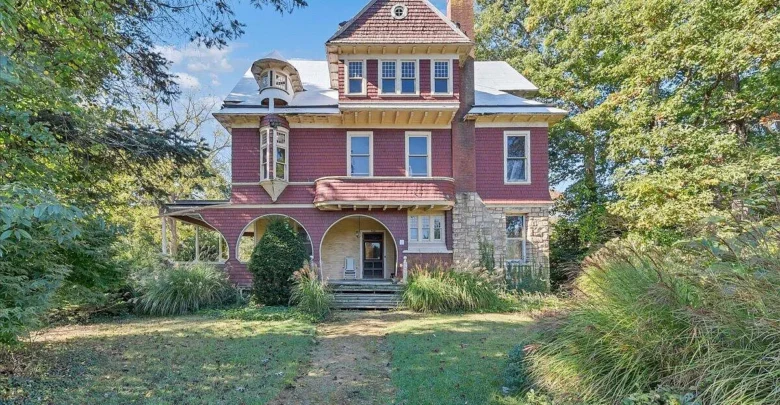
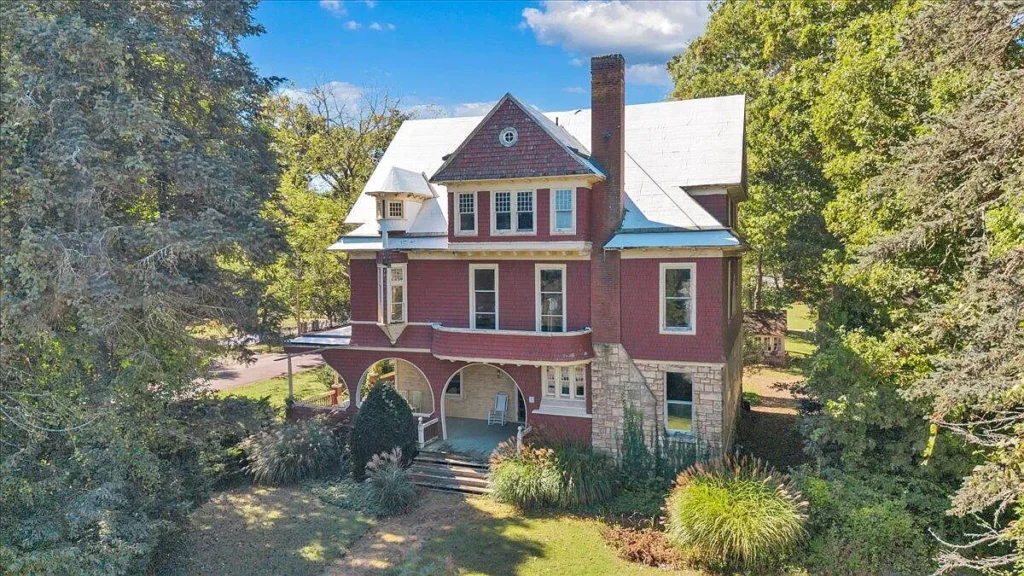
Step into the timeless elegance of this magnificent Queen Anne Victorian mansion in Radford, Virginia. Known as the historic Harvey House, this extraordinary residence is the kind of home that makes people slow down as they pass, then stop altogether. It belongs to an era when houses were built to impress, to welcome, and to last, and when every surface was treated as an opportunity for beauty. Today it stands as a rare survivor of that age, showcasing remarkable architectural beauty and classic Victorian charm in a setting that feels wonderfully removed from the rush of modern life.
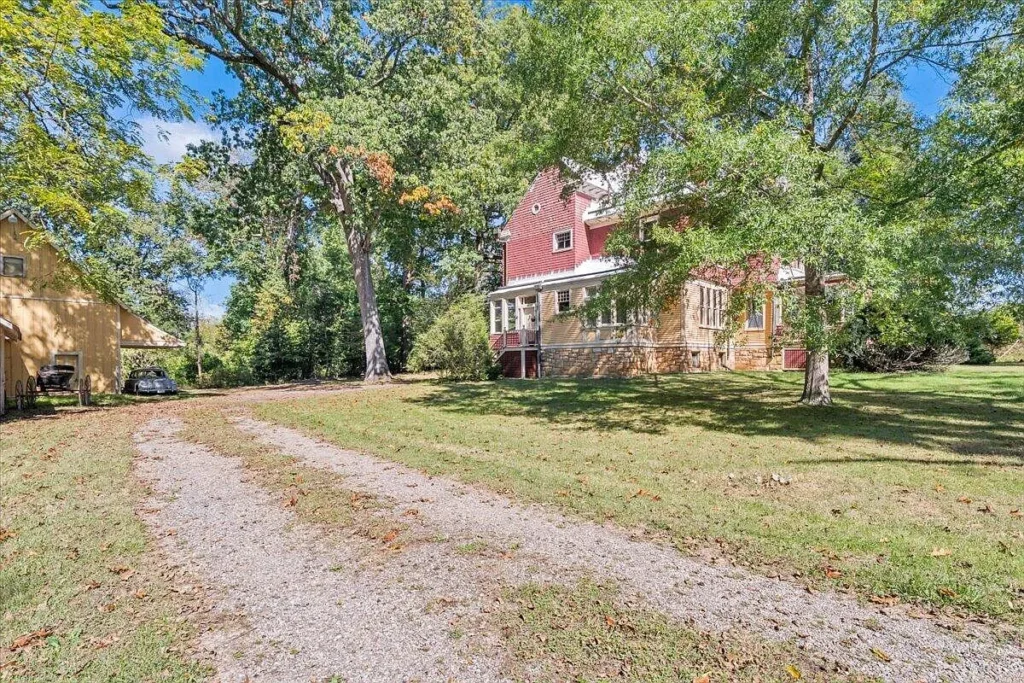
Radford sits in the New River Valley of southwestern Virginia, a region of rolling hills, river views, and small-town streets lined with old trees. It is a place where history still feels close at hand, and the Harvey House is one of its finest reminders of that. The home does not simply occupy its lot. It presides over it, rising above the lawn with the quiet confidence of a house that has watched generations come and go. For anyone who loves old homes, the first glimpse from the street is enough to explain why properties like this inspire such devotion.
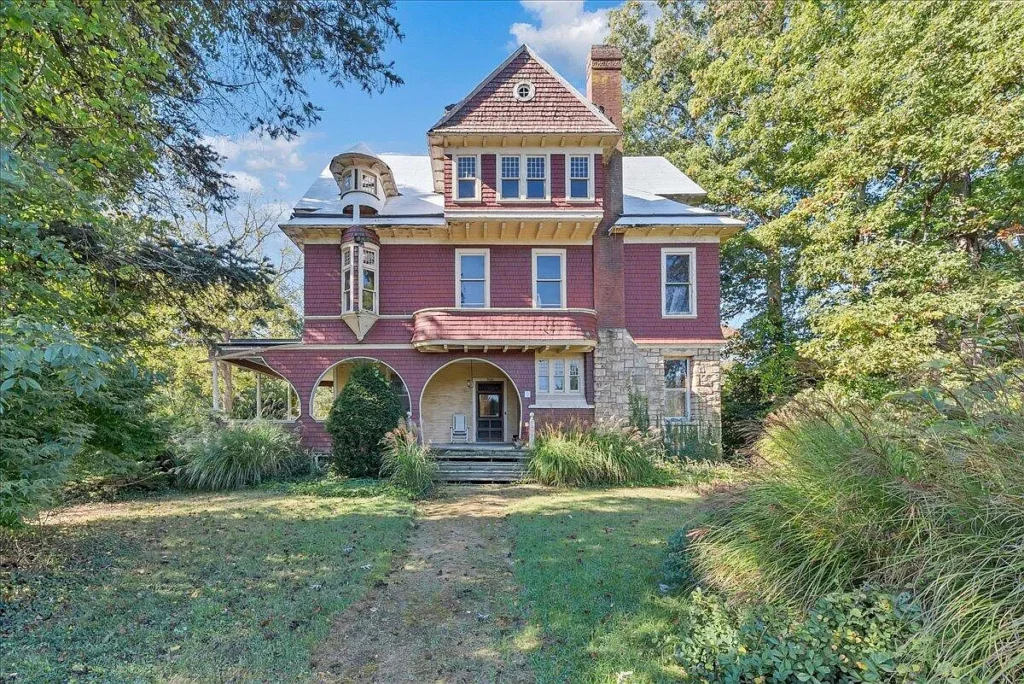
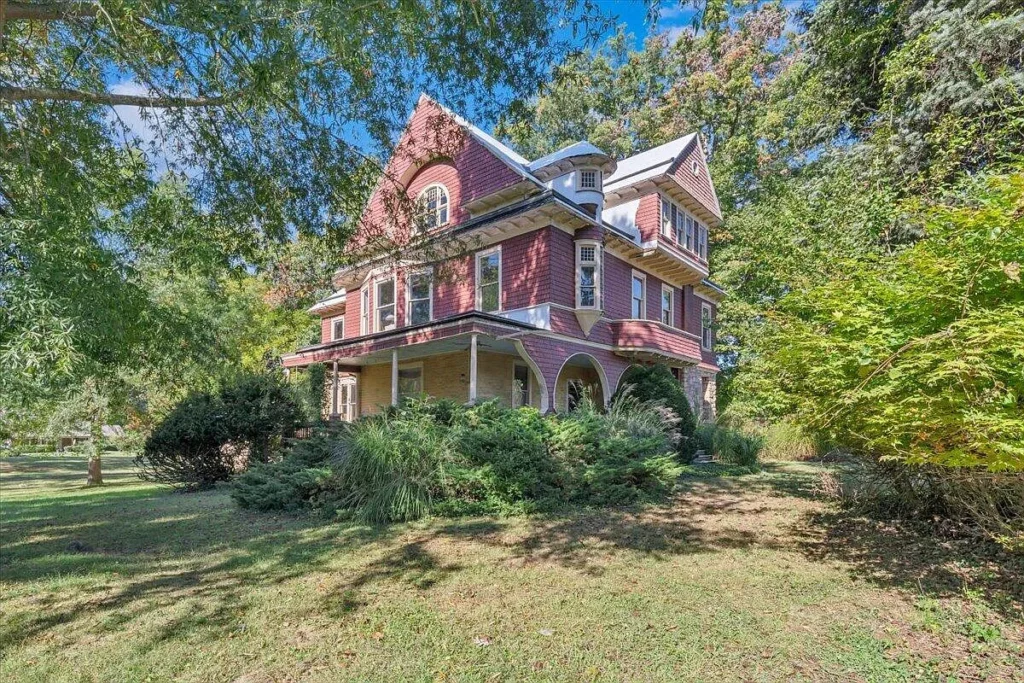
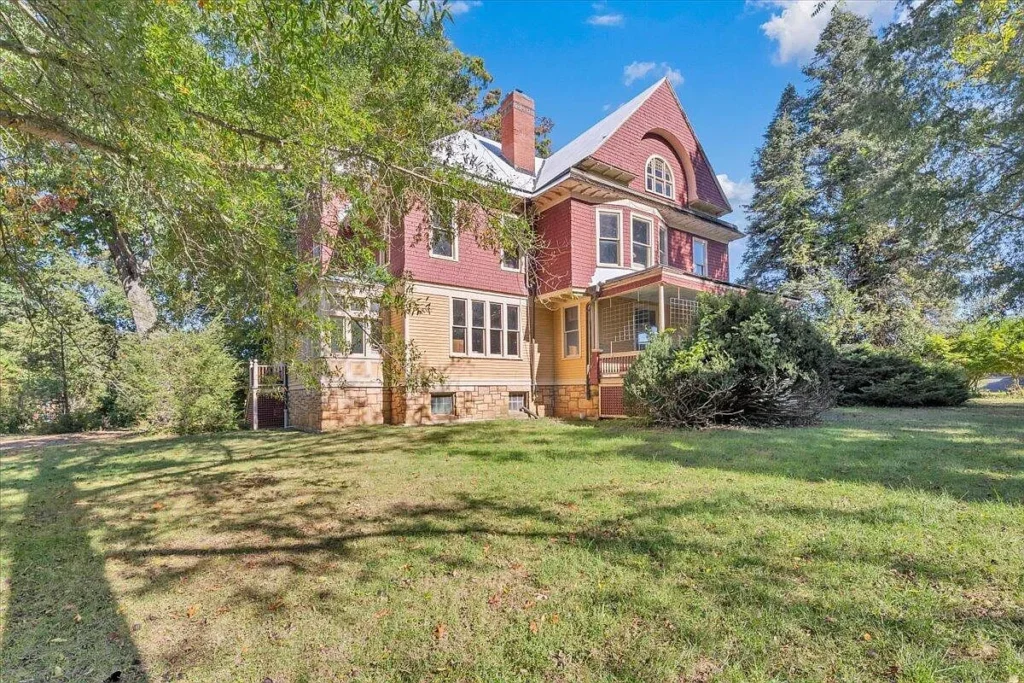
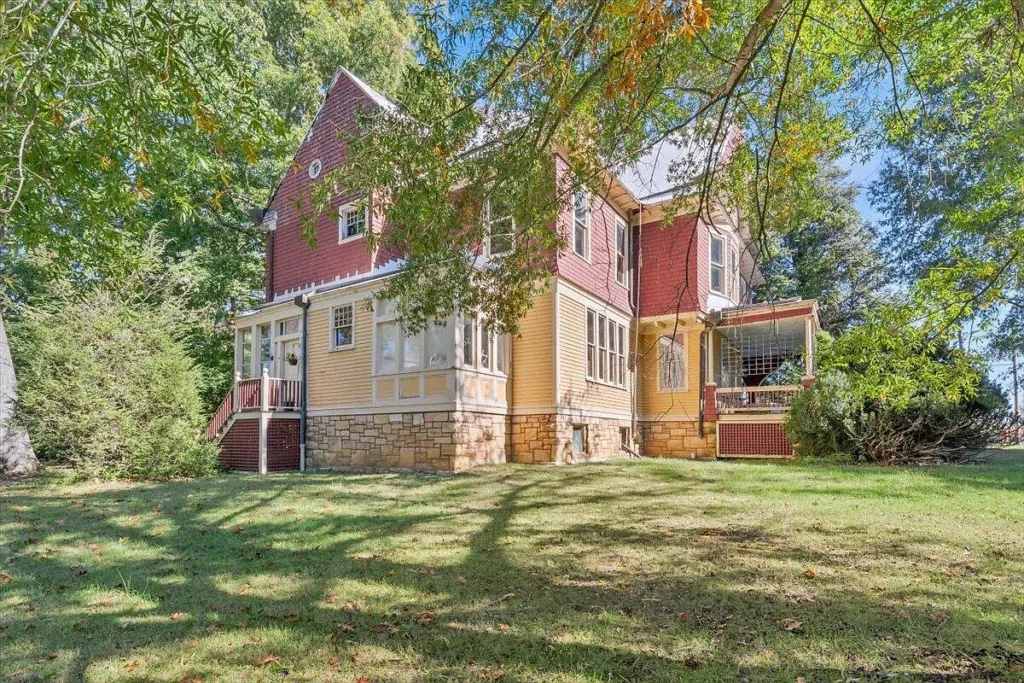
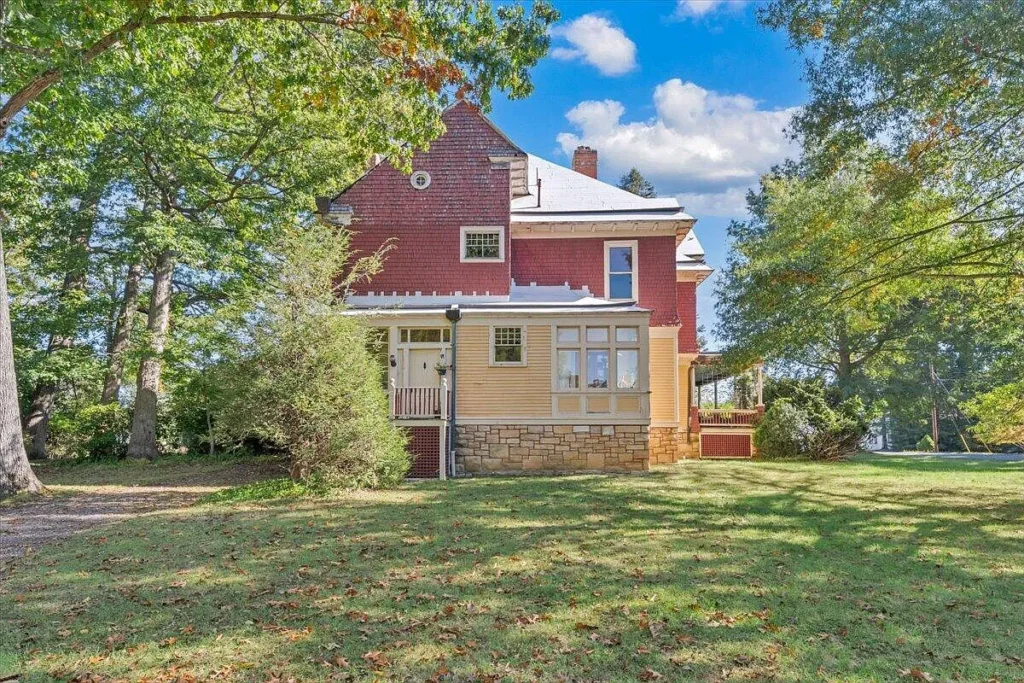
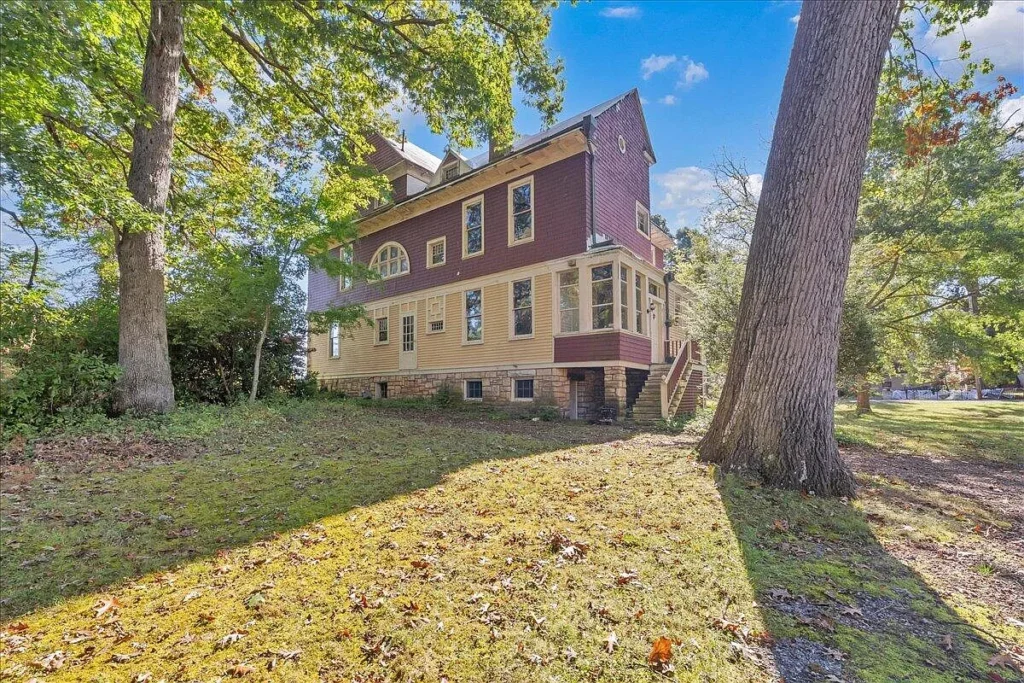
The exterior is a showcase of everything that makes the Queen Anne style so beloved. Where earlier homes favored symmetry and restraint, Queen Anne houses celebrated variety, texture, and surprise, and the Harvey House embraces that spirit fully. Its impressive facade features a graceful turret that lifts the eye upward and gives the whole house a storybook silhouette. Distinctive rooflines break in different directions, with gables and peaks that create a constantly changing profile as you walk around the property. No two sides of the house look quite the same, and that is exactly the point.
Decorative woodwork enriches nearly every part of the exterior. Trim, brackets, and detailed millwork frame the windows and outline the gables, casting small shadows that shift throughout the day. This is the handiwork of craftsmen who shaped and fitted each piece with care, long before mass production made such ornament a luxury. Seen up close, the details reward patience. Seen from a distance, they blend into a rich, layered composition that gives the house its unmistakable Victorian personality.
Then there is the wraparound veranda, perhaps the most inviting feature of all. Broad, shaded, and generous, it curves around the house and offers a place to sit in almost any season. It is easy to picture rocking chairs and porch swings here, glasses of iced tea on a summer afternoon, and neighbors stopping to talk at the end of the day. Victorian builders understood the porch as an outdoor room, a gentle threshold between private life and the community beyond, and this veranda fulfills that role beautifully. It is the kind of space that invites you to linger before you ever reach the front door.
Crossing that threshold is an experience in itself. Inside, a grand cherry wood staircase welcomes visitors with exquisite craftsmanship and intricate details. In a Victorian home the staircase was never merely a way to reach the second floor. It was the centerpiece of the entry, a statement of the family’s taste and the builder’s skill. Here, the warm, deep tone of the cherry catches the light, while turned balusters, carved newel posts, and a smooth, hand-worn rail show the kind of workmanship that is almost impossible to commission today. The staircase sets the tone for everything that follows.
Light plays a starring role throughout the house, thanks to its stunning stained-glass windows. As the sun moves across the sky, these windows scatter soft color across walls, floors, and woodwork, so that the mood of a room changes from morning to evening. Stained glass was one of the great pleasures of the Victorian interior, combining artistry with a practical desire for privacy and filtered light. In the Harvey House, these windows act almost like paintings that are never quite the same twice, bringing a quiet sense of wonder to everyday moments.
Underfoot, original hardwood floors run from room to room, carrying the patina that only time can produce. Their warmth and subtle variation give the interiors a depth that new materials simply cannot imitate. Paired with elegant historic finishes, including detailed moldings, handsome door and window casings, and period trim, the floors help create a truly unforgettable atmosphere. Nothing here feels flat or anonymous. Every surface has character, and together they tell you that this is a house where details were considered important.
The scale of the rooms adds to the impression. Spacious living areas offer the kind of proportions that allow furniture, art, and people to breathe. High ceilings and tall windows give the main rooms an airy dignity, while the layout encourages movement from one space to the next in the gracious manner typical of the period. These are rooms designed for conversation, for music, for gatherings that stretch late into the evening. They reflect the grandeur of a bygone era without feeling cold or formal, because the warmth of the wood and the glow of the windows keep everything human in scale.
Among the most appealing spaces is the charming library. Few rooms capture the romance of an old house quite like a library, and this one offers a quiet retreat for reading, writing, or simply sitting with a cup of coffee on a rainy afternoon. It is a room that suggests long winter evenings and well-loved books, and it would serve equally well today as a home office or study. In a world full of open floor plans, a dedicated room for thought and quiet feels like a real luxury.
The formal dining room speaks to another Victorian tradition, the shared meal as an occasion. This is a room made for holiday dinners, anniversary celebrations, and long conversations around a crowded table. Its proportions and detailing lend a sense of ceremony to even an ordinary supper, and it is easy to imagine candlelight reflecting off polished wood and glass. Nearby, the inviting sunroom offers a completely different mood. Bright and relaxed, it brings the outdoors in and provides a cheerful spot for morning coffee, houseplants, or an afternoon nap in the warmth of the sun. Together, these rooms provide wonderful spaces for relaxation and entertaining, each with its own distinct character.
Upstairs, generous bedrooms continue the theme of comfort and craftsmanship. Victorian homes of this caliber gave real attention to private quarters, and the bedrooms here offer ample space, good light, and the same beautifully detailed interiors found on the main floor. Each room has its own personality, shaped by its windows, its views, and its position within the house. Those tucked near the turret enjoy especially memorable shapes and angles, the kind of quirks that make an old house feel like a discovery rather than a floor plan.
The setting is every bit as appealing as the house itself. The surrounding grounds feature mature trees that have had many decades to grow tall and broad, offering shade in the summer and a striking display in the fall. Established landscaping frames the home and softens its edges, giving the property the settled, rooted look that only comes with age. A lawn like this invites garden parties, quiet walks, and children’s games, and it gives the house the breathing room that a building of this presence deserves.
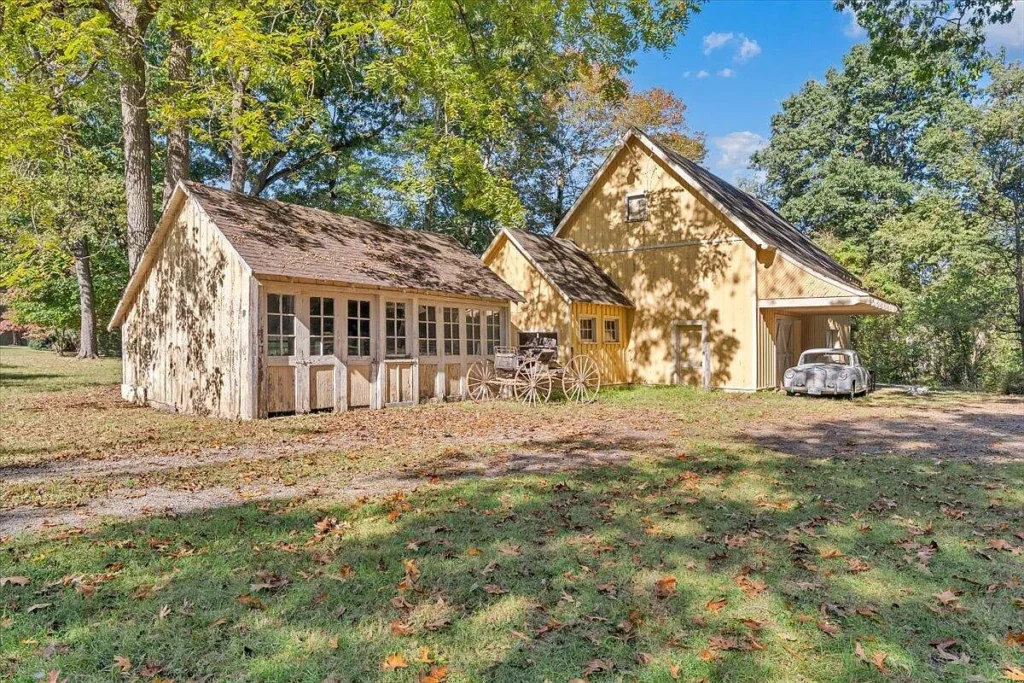
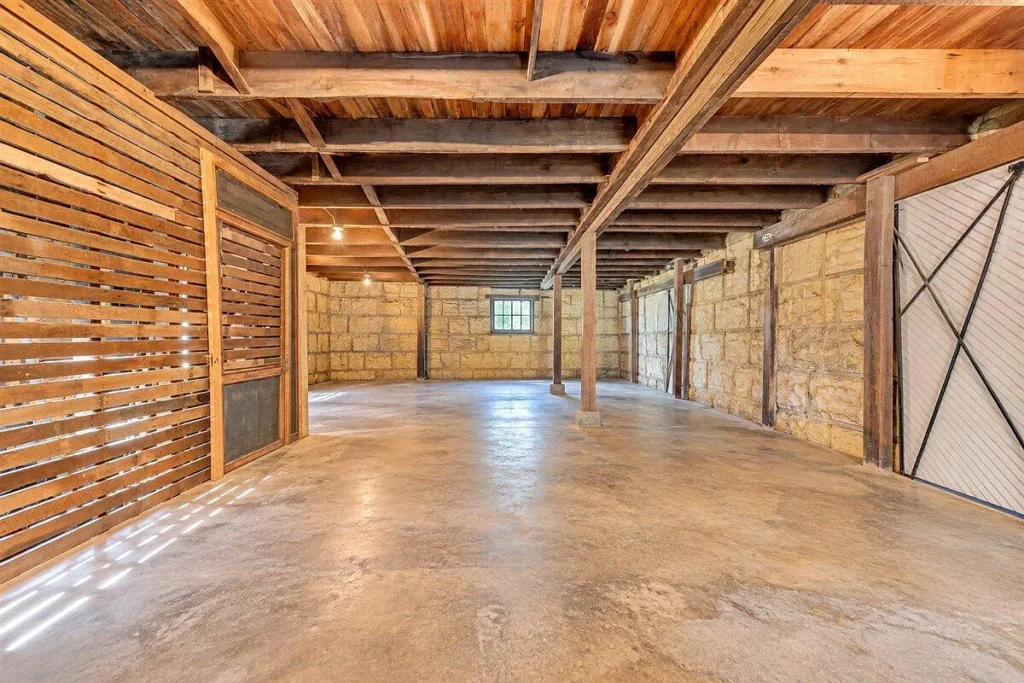
Adding to the historic character of the property is a carriage house, a reminder of the days when horses and carriages were part of daily life. Outbuildings like this have vanished from many old estates, which makes its survival here especially meaningful. It completes the picture of the property as it was originally conceived and offers appealing possibilities for a new owner, whether as a workshop, studio, storage, or simply a cherished piece of the past.
What makes the Harvey House so special is not any single feature but the way all of them come together. The turret, the veranda, the cherry staircase, the stained glass, the hardwood floors, the library, and the carriage house each contribute to a whole that is greater than the sum of its parts. Every corner of this remarkable property tells a story of timeless craftsmanship, elegance, and architectural heritage. To walk through it is to understand how seriously earlier generations took the art of building a home.
Owning a house like this is also a form of stewardship. Historic homes ask something of the people who live in them, including care, patience, and respect for the original work. In return, they offer something no new construction can match: a daily connection to history, and the satisfaction of preserving something beautiful for those who will come after. For the right person, that exchange is not a burden but a privilege.
The Harvey House is a rare historic treasure that captures the beauty, character, and enduring sophistication of Victorian living. In a time when so many homes look alike, it remains gloriously individual, a place of color, texture, and warmth that has stood the test of time. For admirers of Queen Anne architecture, lovers of old Virginia, or anyone who has ever dreamed of life in a grand Victorian home, this Radford landmark is nothing short of extraordinary.
Watch Zillow