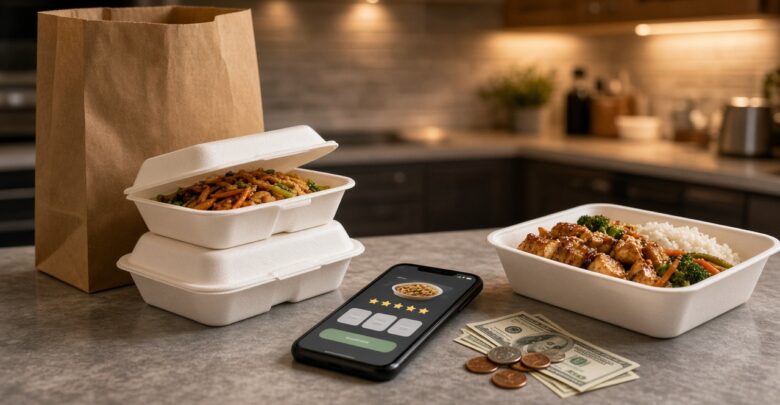
You grab your bag at the counter, the cashier smiles, and then the card reader flashes a tip screen. Suddenly you’re standing there doing math in your head. Do you tip on takeout? Is 20% still the rule when nobody refilled your water or cleared your plate?
You’re not alone. Tipping used to feel simple when you sat down for a meal. Now takeout, curbside, and app pickups have blurred the line for almost everyone. The short answer: there is no single universal rule, but there are smart, kind ways to decide when a tip on takeout makes sense.
Here’s a friendly, practical guide to help you choose with confidence—without guilt, guesswork, or that awkward freeze at the register.

Why Tipping on Takeout Feels So Confusing
For decades, tips were tightly tied to table service. Someone took your order, brought drinks, checked in mid-meal, and cleared plates. Takeout skips most of that choreography. You place the order, wait a bit, and walk out with a bag.
But takeout still takes real work. Someone packed your food so the fries stay crisp and the sauce doesn’t leak. Someone double-checked sides, utensils, napkins, and the receipt. Someone timed the ticket so dinner would still be hot when you arrived. That effort is genuine—even if you never sat down.
So the debate isn’t “Is takeout free of labor?” It’s “How much of that labor should a tip recognize?” Once you frame it that way, the tip screen feels less like a trap and more like a choice.
Reasons People Do Tip on Takeout
1. Good Service Still Counts
If the restaurant nails your order, packs it carefully, and has it ready right on time, a tip is a simple thank-you. Think of it like tipping a barista who remembers your usual drink. The service looks different from table waiting, but care still shows up in the details.
Accuracy matters a lot here. Getting every modification right—no onions, extra spicy, sauce on the side—takes attention. When staff get those details right under pressure, a tip on takeout feels earned.

2. The Kitchen Did a Lot You Didn’t See
Chefs and cooks still prepared your meal to the same standard as dine-in. On busy nights, takeout tickets stack up right beside table tickets. A tip on takeout can support the people who made the food, especially in places where tips are shared across the team.
That behind-the-scenes effort is easy to forget when you’re just grabbing a bag. Remembering it can change how the tip prompt feels.
3. Small Tips Still Matter
You don’t always need a big percentage. A few dollars on a modest order can brighten someone’s shift. Local spots especially feel the difference when regulars tip a little for pickup. Consistency from the neighborhood often means more than one huge tip from a stranger.

Reasons Some People Skip the Tip
There’s another side, and it’s fair to name it out loud. Takeout usually means no table service, no drink refills, and no dedicated server managing your meal for an hour. Some diners feel the menu prices already cover counter service, packaging, and the cashier’s time.
Also check the receipt carefully. Some places add a service fee, packaging charge, or “kitchen appreciation” line. If a fee is already there, ask yourself whether that fee replaces a tip or sits on top of one. When you’re unsure, a quick polite question at the counter clears it up in seconds.
Budget is part of the picture too. Food costs more than it used to. Choosing not to tip on a bare-bones pickup when money is tight does not make you a villain. Kindness includes honesty about what you can give.

A Simple Way to Decide in the Moment
Use this quick checklist the next time the tip screen pops up:
- Was the order correct and well packed? If yes, lean toward tipping.
- Did someone go out of their way? Special requests handled well deserve a little extra.
- Is a service fee already included? Read the fine print before adding more.
- Is this a small local place you want to support? Regulars who tip lightly still help a lot.
- Was pickup genuinely no-frills? A smaller tip—or none—can still feel right.
Many people land around 10% for solid takeout service, a bit more for excellent care, and a flat few dollars on small orders. Others tip only when something stood out. Both approaches are common across cities. What matters is choosing on purpose instead of freezing under pressure or jabbing a random percentage.

Pickup vs Delivery: Don’t Mix Them Up
Delivery is a different story. Drivers spend gas, time, and effort bringing food to your door, often in rain, heat, or traffic. A tip for delivery usually supports that trip directly. Takeout pickup is closer to counter service.
App screens can blur that difference on purpose. Some apps push high tip defaults even for simple pickup. You’re allowed to change the amount. You’re also allowed to tip in cash at the restaurant if that feels clearer and more personal.
If a third-party app is involved, remember that fees and tip routing can get messy. When possible, order directly from the restaurant and tip there. More of your money tends to stay with the people who actually helped you.
What About Fast Casual and Big Chains?
At a quick counter spot where you grab a numbered bag, tipping customs vary widely. Some employees receive tips; some do not. If the screen asks, a small amount for friendly, accurate service is kind. If the place pays differently and tipping isn’t expected, you can skip it without being rude.
When in doubt, ask: “Do you all usually get tips on takeout?” Most staff will answer honestly and appreciate that you cared enough to check. That one question can save you from overthinking for months.
Etiquette Tips That Keep Things Easy
- Don’t tip-shame other people. Habits differ by city, age, income, and culture.
- If you can’t tip today, a sincere thank-you still helps. Come back when you can.
- Round up on small orders if percentages feel weird or fussy.
- Remember holidays and bad weather—staff feel those days harder than most customers do.
- Support places you love with tips, reviews, and repeat visits when they earn them.
- Teach kids a simple version of your rule so the next generation isn’t stuck guessing.

So… Should You Tip on Takeout?
Here’s the honest takeaway. A decision to tip on takeout is not required the way a sit-down service tip often is. It is a choice based on service quality, local norms, fees already charged, and your budget that day.
If the team made your life easier—packing a perfect order with care—tipping is a warm way to say thanks. If the exchange was bare-bones and fees already cover extras, tipping less—or not tipping—can still be reasonable and respectful.
The best habit is simple: pause for two seconds, look at the service you actually got, and tip (or don’t) with intention. That beats guessing, resenting the screen, or following a rigid percentage that doesn’t fit the moment.
Next time you pick up dinner, you’ll know what you’re doing—and why. And that little bit of clarity makes the whole takeout ritual feel a lot less sticky and a lot more human.
Thanks for reading along on this tip-or-not puzzle! This guide is for entertainment and general info only, not professional advice about wages or local laws. Tip when it feels right, support the spots you love, and enjoy that warm takeout bag on the way home.