
Picture this scenario. You pull into your driveway on a brisk Tuesday afternoon, kick off your shoes, and unpack your bag while mentally calculating your weekly budget. Your coworker mentions they live just three blocks over and head to the office at the exact same hour every morning. Before you know it, a casual arrangement takes shape: “Hop in with me tomorrow!” It sounds like a dream. You cut down on parking headaches, dodge crowded public transit, and enjoy friendly company on the morning commute. Then comes the lingering question that makes everyone slightly uncomfortable: are you actually obligated to chip in for gas?
Some folks argue that since the driver was already making the trip anyway, an extra person in the passenger seat costs virtually nothing extra. Others insist that taking a seat every single workday without offering a cent turns you into an entitled freeloader. The debate pops up in breakrooms, neighborhood forums, and casual chats constantly, revealing just how messy shared travel etiquette can be when money meets workplace dynamics.
The Great Workplace Commuter Debate
When you ask people whether daily carpool passengers should pay up, opinions split down the middle with surprising passion. On one side stands the strict reciprocity camp, convinced that adulthood demands paying your fair share. On the other side sits the casual neighbor camp, believing that helping out a colleague on an existing route ought to be an effortless courtesy that requires no bean-counting.
The core tension comes down to how we view common courtesies versus regular services. Giving someone a ride once because their car broke down is a neighborly favor. Doing it five days a week, fifty weeks a year, is an ongoing routine. The moment an informal favor turns into a scheduled daily habit, the entire dynamic shifts from casual kindness to an unspoken rideshare agreement.
When someone depends on your vehicle every single morning, you lose your personal freedom. You cannot sleep in an extra ten minutes on a whim, stop at an errand halfway to work, or listen to your favorite morning podcast in total solitude without considering the person sitting next to you. That hidden emotional overhead is what many casual passengers overlook.
Why Driving Costs Much More Than Just Fuel
Most passengers who resist offering money think strictly in terms of the gas tank. They assume that if a car uses four gallons for the round trip, carrying another human being does not change fuel consumption enough to notice. That calculation overlooks the cold reality of vehicle ownership.
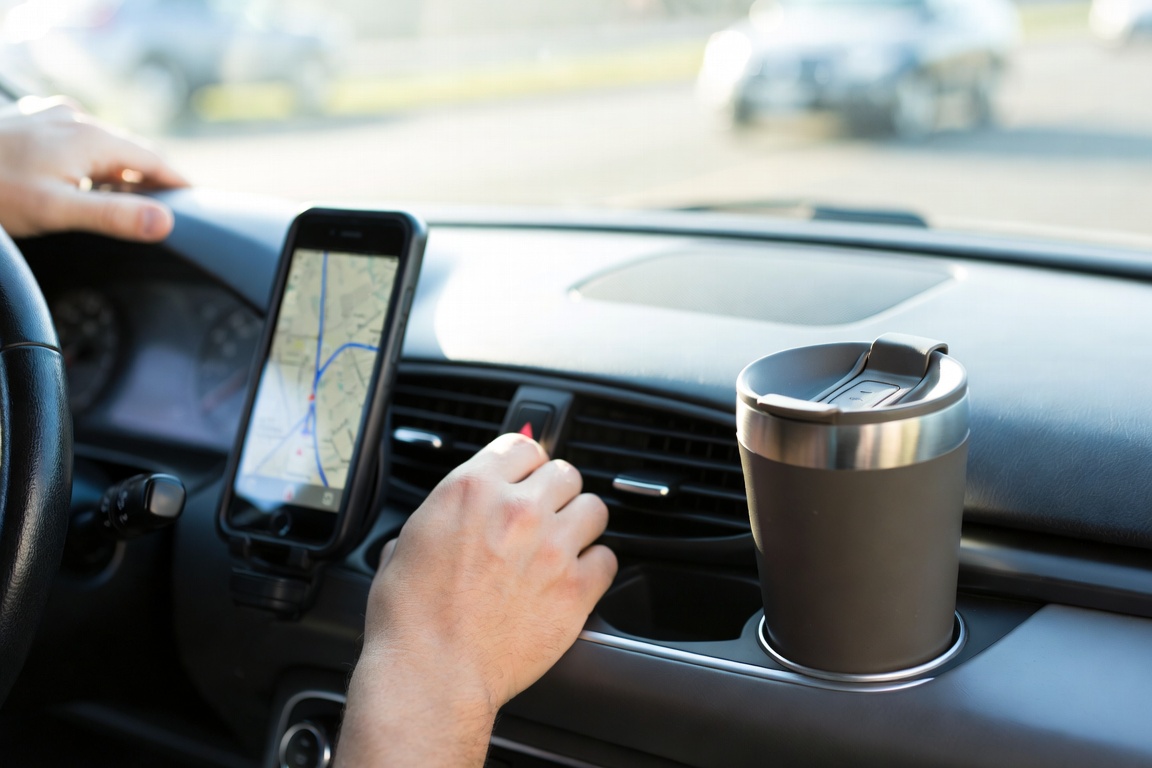
The real cost of everyday driving extends well beyond fuel to wear and tear, maintenance, and daily time commitments.
Owning and operating a daily driver comes with a long laundry list of constant expenses:
- Depreciation and Mileage: Every mile added ticks away at the car’s resale value while bringing scheduled maintenance visits closer.
- Tires and Brakes: Stop-and-go commuting wears down brake pads and tread patterns, requiring replacements that cost hundreds of dollars every few years.
- Oil Changes and Fluid Flushes: Routine servicing keeps the engine healthy, and more miles mean more frequent garage stops.
- Insurance and Registration: Monthly premiums and state inspection stickers are fixed costs the driver pays year-round regardless of passenger status.
- Cleaning and Detailing: Extra feet tracking in slush, morning coffee drips, and door handle wear require regular interior upkeep.
When someone gives you a lift every day, they aren’t merely sharing gas. They are sharing a multi-thousand-dollar asset that requires ongoing care, insurance, and personal liability. Treating the ride as totally free dismisses that financial weight.
Fair Ways to Settle Up Without Making Things Weird
Money talks can feel deeply uncomfortable among colleagues who want to keep things breezy and professional. Nobody wants to seem stingy, yet resentment builds rapidly when one person feels taken for granted. Establishing a clear routine early on solves the problem before it brews into office tension.

Simple gestures like covering morning breakfast or coffee can go a long way when formal gas calculations feel awkward.
Here are practical methods to balance the scales based on your relationship and comfort level:
1. The Straight 50/50 Weekly Fuel Split
If your commute covers a noticeable distance, calculate the average weekly gas expenditure and send half via digital transfer every Friday. It is clean, verifiable, and leaves zero room for ambiguity. If weekly commuting gas runs about forty dollars, sending twenty dollars directly to the driver keeps everything crystal clear.
2. The Non-Cash Courtesy Trade
For short neighborhood trips where cash feels too formal, step up in daily ways. Pick up their favorite hot tea or fresh espresso and a warm morning pastry two or three times a week. Cover their parking pass at the office deck, or pay for a full interior-exterior car wash twice a month. These tangible courtesies often feel friendlier than exchanging tiny sums of cash.
3. Monthly Flat-Rate Stash
Agree on a reasonable flat monthly sum that covers both fuel contributions and a nod toward parking or tolls. Settle it at the start of each month just like any regular household utility bill so nobody has to bring it up again.
Word-for-Word Scripts for Both Driver and Passenger
Knowing what you should do is easy; finding the right words during an awkward elevator ride is the hard part. Use these conversational scripts to keep your work friendship warm while addressing the elephant in the car.
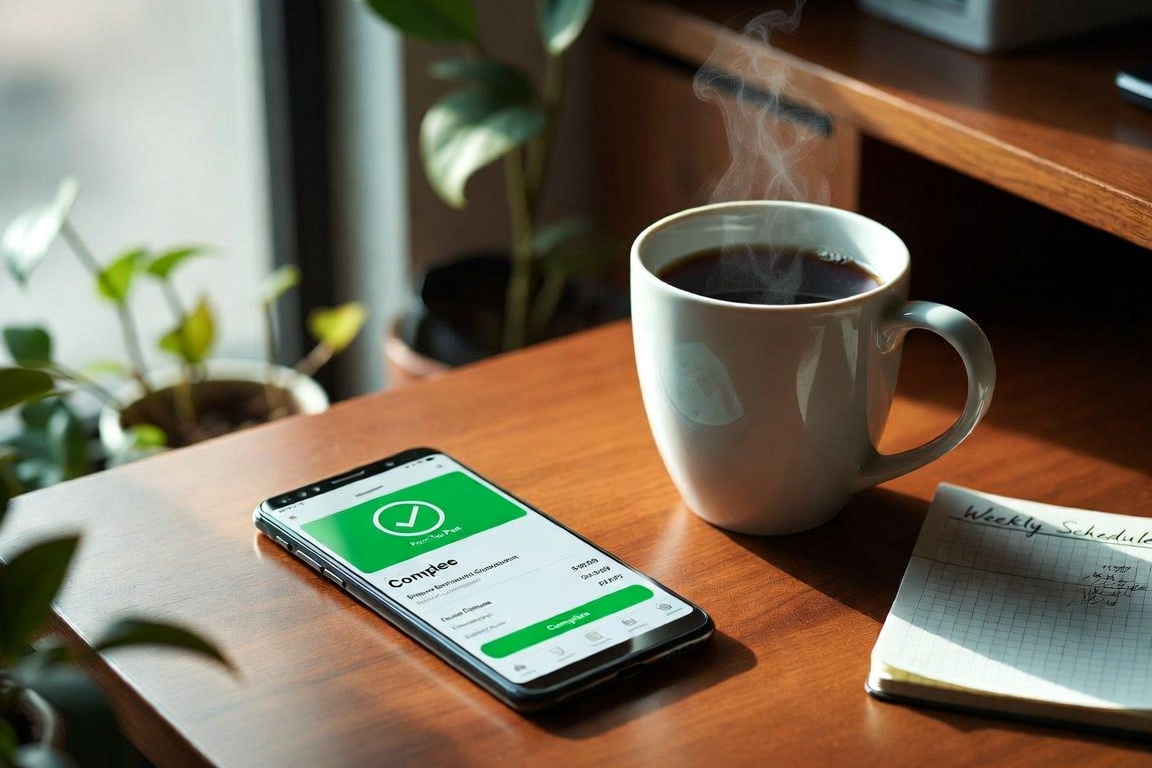
Sending a prompt, scheduled payment each Friday keeps financial agreements transparent and stress-free.
If You Are the Passenger Wanting to Pay:
“Hey, I am so grateful you let me ride with you every morning—it saves me so much stress. I know gas and car upkeep add up fast, so I’d love to pitch in twenty bucks every Friday or take care of our morning coffee runs. Which do you prefer?”
If You Are the Driver Needing to Ask for Help:
“I really enjoy our morning chats on the way to work! Since gas prices have climbed lately, I’m trying to tighten my monthly car budget. Would you be open to splitting fuel twenty bucks a week to help balance out the daily commute?”
If You Are the Driver Wanting to Gracefully Decline:
“Honestly, your house is directly on my path and I love having someone to talk to on the drive. Don’t worry about cash—just grab me a coffee every now and then when we hit the drive-thru, and we’ll call it even!”
Unspoken Rules Every Daily Passenger Must Follow
Financial contribution is only half the battle. Being a great passenger is about respecting the driver’s vehicle, time, and peace of mind. Keeping a few everyday boundaries intact will keep you on the passenger list permanently.
- Be Curbside Before They Arrive: Never make your driver wait while you search for your keys. Stand outside or by your front door ready to step into the car the second they pull up.
- Read the Morning Mood: Some mornings call for lively conversation, while others require quiet wakefulness. Take cues from the driver before launching into heavy workplace debates.
- Keep Food and Drink Tidy: Stick to leak-proof mugs with secure lids. Avoid crumbly breakfast sandwiches or pungent snacks that leave a lasting scent in someone else’s upholstery.
- Always Have a Backup Plan: If your coworker catches a cold, takes personal time off, or works late, have a rideshare app or transit route ready without putting guilt on them to change their plans.
Finding Common Ground on the Daily Commute
Are you obligated to chip in for gas when a coworker drives you to work every day? Yes, absolutely. Even if the car was already headed down the same stretch of highway, an ongoing ride represents shared convenience, real operating costs, and someone else’s personal time.
Whether you hand over a crisp bill on Friday, send a quick digital payment, or keep the driver stocked with fresh roast coffee and car wash vouchers, offering something shows respect. It protects your workplace friendship, keeps your daily routine comfortable, and turns a potentially awkward arrangement into a partnership that works smoothly for both of you.